
A Comprehensive Guide to Ethical Sourcing in Agro-Produce


Understanding Ethical Sourcing
Ethical sourcing in agro-produce refers to the responsible and sustainable procurement of agricultural products. This involves ensuring that the entire supply chain—from farm to table—adheres to fair labor practices, environmental sustainability, and economic fairness. By prioritizing these principles, businesses can positively impact both local communities and the environment.

The Importance of Ethical Sourcing
In recent years, consumers have become more conscious of the origins of their food. They demand transparency and accountability from producers. Ethical sourcing helps build trust with consumers, showing them that the products they purchase contribute to a better world, supporting fair wages and safe working conditions for farmers.
Moreover, ethical sourcing can lead to higher-quality products. When farmers are treated fairly and given the resources they need, they are more likely to produce better crops. This ultimately benefits everyone in the supply chain, from the growers to the end consumers.
Environmental Impact
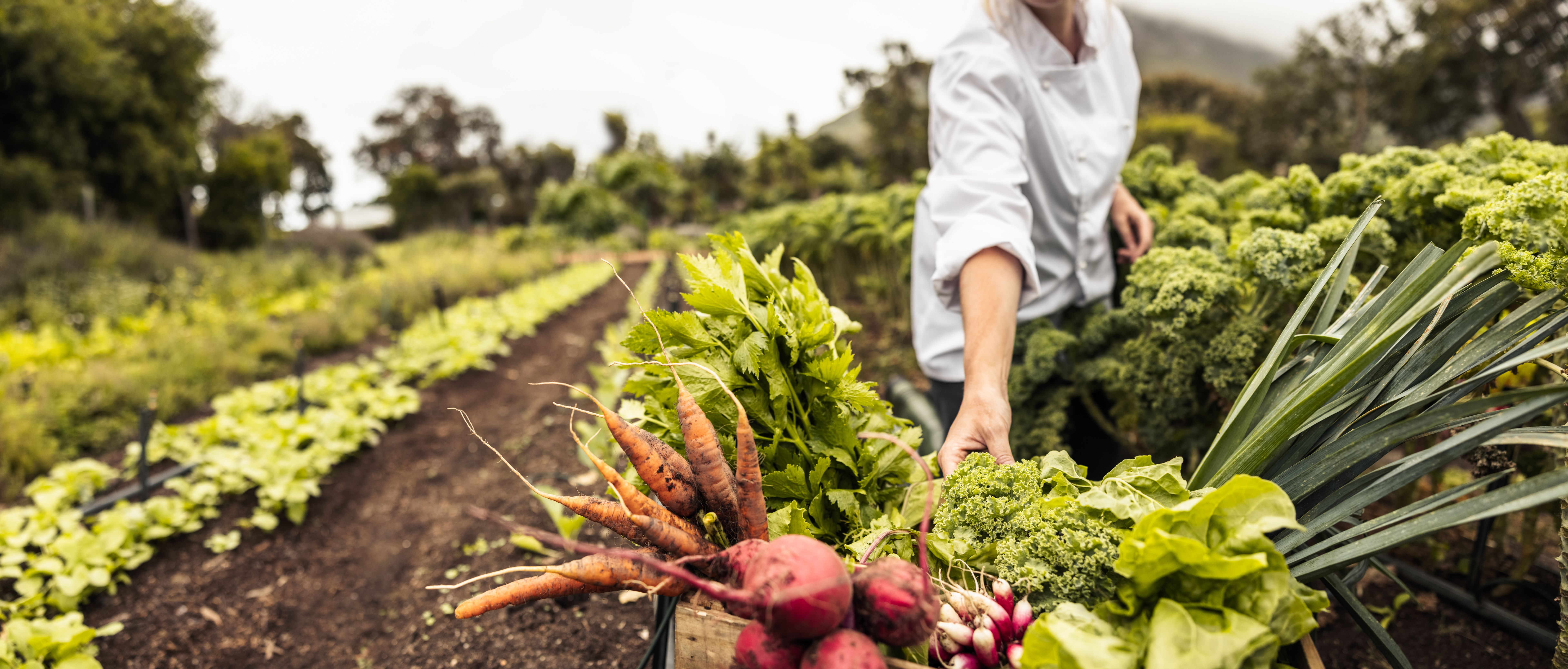
One of the key aspects of ethical sourcing is its focus on environmental sustainability. This means implementing farming practices that protect natural resources and biodiversity. For instance, crop rotation, organic farming, and reduced chemical use are all practices that contribute to a healthier planet.
Steps to Implement Ethical Sourcing
For businesses looking to implement ethical sourcing, the journey can be broken down into several actionable steps:
- Research and Select Suppliers: Choose suppliers who adhere to ethical standards and have certifications such as Fair Trade or Rainforest Alliance.
- Conduct Regular Audits: Regularly review and audit suppliers to ensure ongoing compliance with ethical practices.
- Educate and Train: Provide training for your team to understand the importance of ethical sourcing and how to implement it effectively.
Certifications to Look For
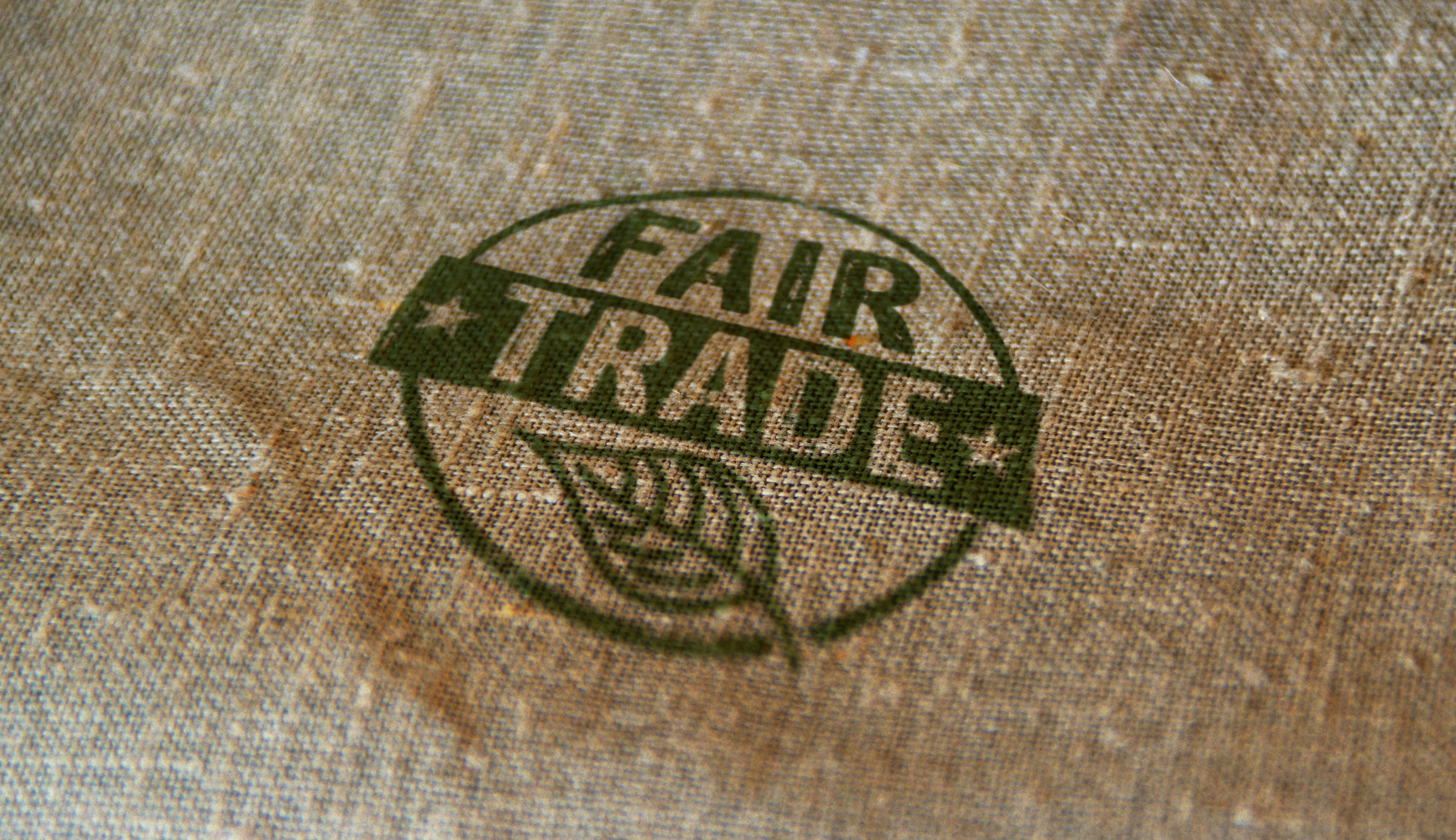
Certifications play a crucial role in identifying ethically sourced products. Some of the most recognized certifications include Fair Trade, Rainforest Alliance, and USDA Organic. These labels indicate that the products meet certain environmental and labor standards, offering a level of assurance to consumers.
Challenges in Ethical Sourcing
Despite its benefits, ethical sourcing also presents challenges. It can be more costly due to the premium prices paid to farmers and the expenses associated with maintaining certifications. Additionally, it requires ongoing commitment and vigilance to ensure compliance throughout the supply chain.
However, the long-term benefits, including consumer loyalty and brand reputation, often outweigh these challenges. Businesses that invest in ethical sourcing can differentiate themselves in a competitive market and contribute positively to global sustainability efforts.
Conclusion
Ethical sourcing in agro-produce is not just a trend but a necessary shift towards a more sustainable and equitable food system. By understanding its importance and implementing effective strategies, businesses can play a pivotal role in creating a fairer and more sustainable world.