
A Guide to Sustainable Coffee Sourcing: From African Farms to Global Markets


Introduction to Sustainable Coffee Sourcing
Coffee is more than just a beverage; it's a global industry with deep roots in various cultures and economies. However, the environmental and social impacts of coffee production have raised concerns. This guide explores how sustainable coffee sourcing from African farms can meet the increasing demand while supporting ethical and eco-friendly practices.
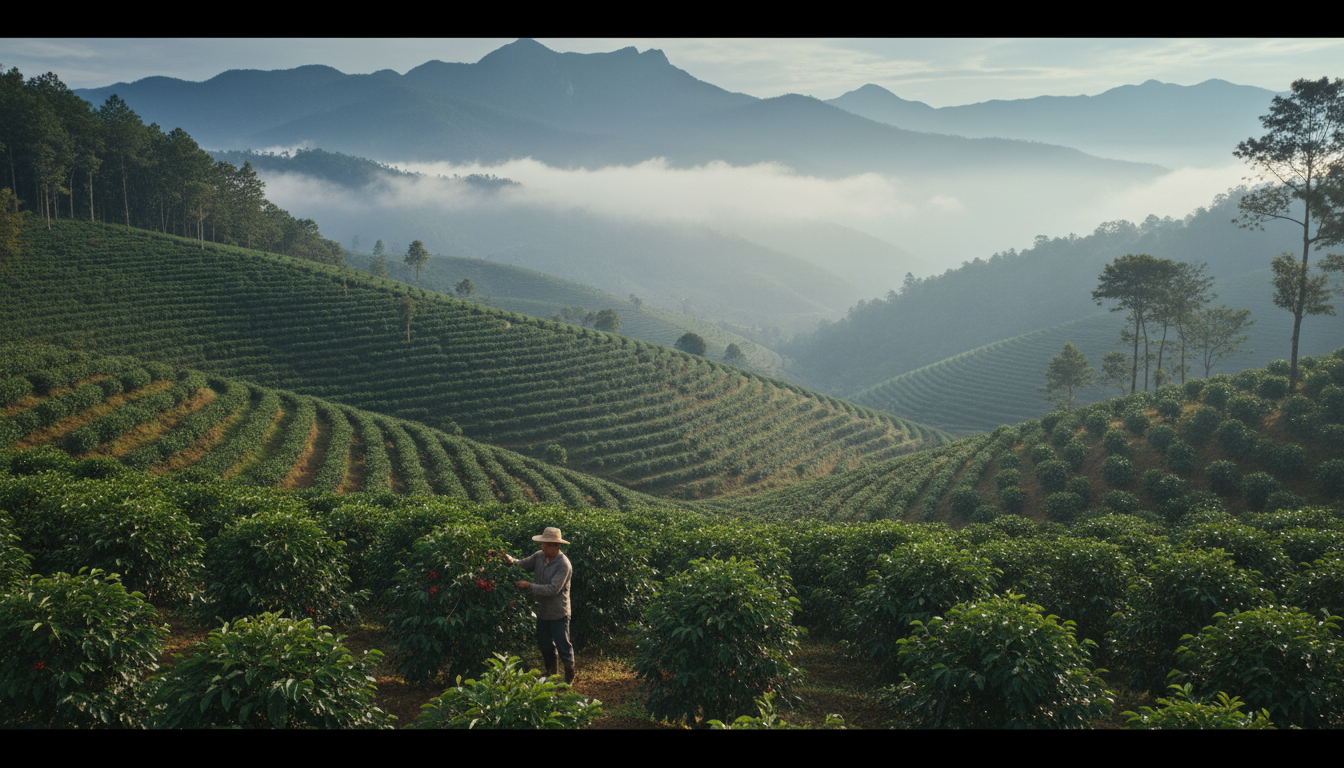
The Importance of Sustainable Practices
Implementing sustainable practices in coffee sourcing is crucial for ensuring the longevity of the industry. Sustainable coffee farming not only protects the environment but also supports local communities by providing fair wages and safe working conditions.
Key areas of focus include reducing chemical use, promoting biodiversity, and ensuring water conservation. By investing in these practices, coffee producers can maintain healthy ecosystems and improve the quality of their crops.
Understanding Coffee Certifications
To ensure sustainable practices, various certifications have been established. These include Fair Trade, Rainforest Alliance, and Organic certifications. Each of these labels represents a commitment to different aspects of sustainability, from fair wages to environmental protection.
- Fair Trade: Focuses on equitable trade relationships and fair wages for farmers.
- Rainforest Alliance: Emphasizes biodiversity and sustainable land management.
- Organic: Concentrates on the reduction of synthetic chemicals and pesticides.

Sourcing Coffee from African Farms
Africa is home to some of the world's most diverse and rich coffee-growing regions. Countries like Ethiopia, Kenya, and Rwanda produce unique flavors that are highly sought after in global markets. These regions are increasingly adopting sustainable practices to meet international demand.
By sourcing from African farms that adhere to sustainable practices, businesses can support local economies and promote environmental stewardship. This approach not only benefits the farmers but also enhances the overall quality of the coffee.
The Role of Technology in Sustainability
Technology plays a significant role in advancing sustainable coffee sourcing. From precision agriculture to blockchain for supply chain transparency, innovations are helping farmers improve yields and reduce waste. These technologies enable better resource management and ensure that sustainable practices are followed throughout the supply chain.

Building Partnerships for a Sustainable Future
Collaboration between coffee producers, distributors, and consumers is essential for promoting sustainability. By forming partnerships with organizations focused on environmental and social responsibility, businesses can help drive positive change in the coffee industry.
Engaging consumers through educational campaigns can also raise awareness about the importance of choosing sustainably sourced coffee. When consumers understand the impact of their choices, they are more likely to support ethical brands.
Conclusion: The Path Forward
Transitioning to sustainable coffee sourcing is not just a trend; it's a necessary evolution for the industry. By focusing on ethical practices, embracing technology, and fostering partnerships, the coffee industry can thrive while protecting the planet and supporting local communities.
As consumers, we have the power to influence the market by choosing sustainably sourced coffee. Together, we can ensure that every cup of coffee contributes to a healthier planet and a more equitable world.