
Discovering Africa’s Finest: A Journey Through Premium Cocoa and Coffee

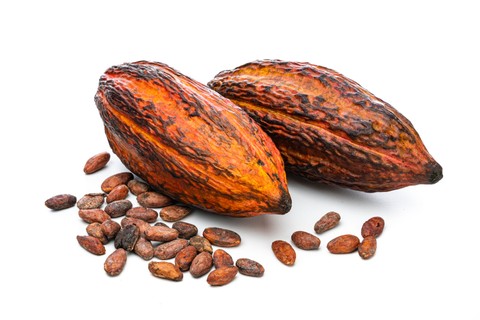
Embarking on a journey through Africa’s finest offerings leads us to a world rich in flavor and tradition. The continent’s premium cocoa and coffee have set a high bar, captivating the global market with their unique qualities and vibrant histories. Let’s explore the origins, cultivation, and distinctive characteristics that make African cocoa and coffee a true delight.
The Origins of African Cocoa
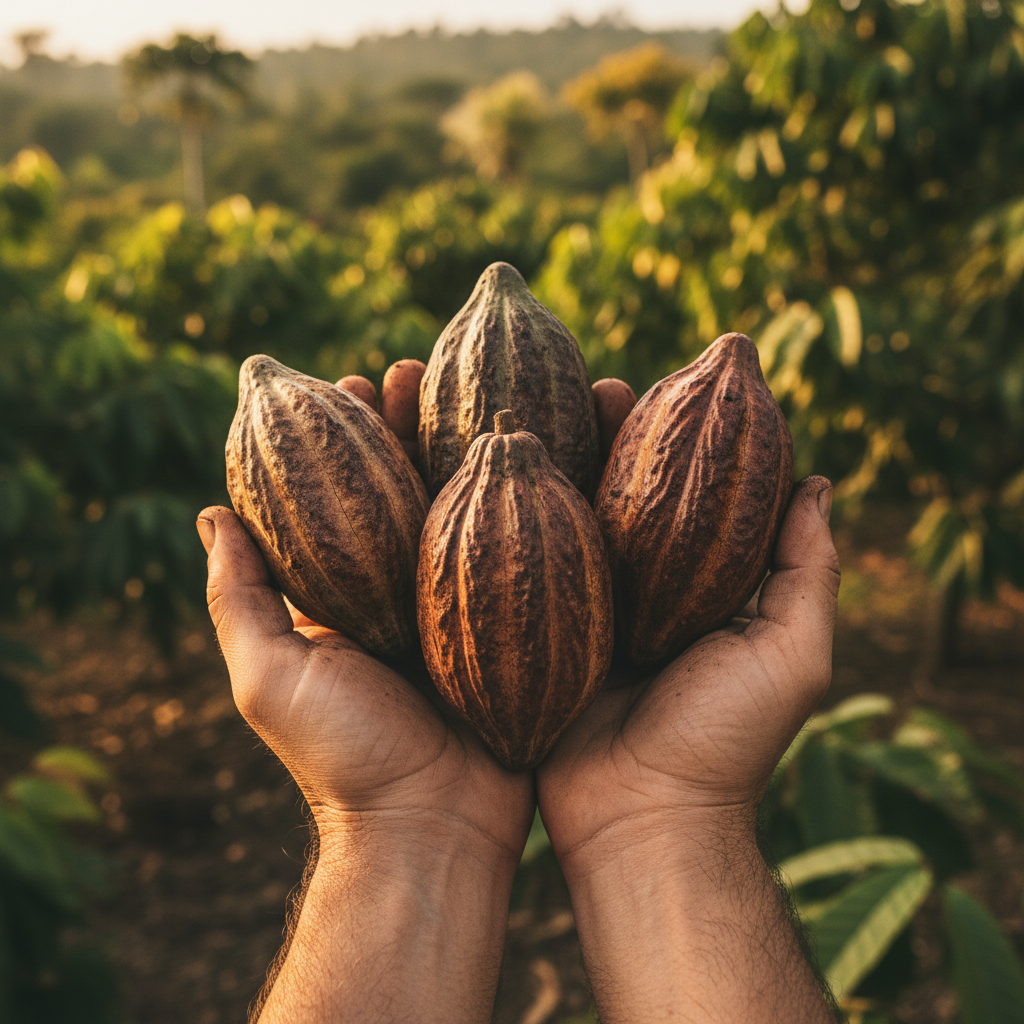
Africa is home to some of the world’s most renowned cocoa-producing countries, including Ivory Coast, Ghana, and Nigeria. These nations contribute significantly to the global cocoa supply, with Ivory Coast alone responsible for nearly 40% of the world’s production. The journey of cocoa in Africa began during the colonial era and has since evolved into a cornerstone of the continent’s agricultural economy.
Rich, dark, and aromatic, African cocoa is celebrated for its intense flavor profile. Its cultivation is a meticulous process, requiring careful attention to detail from soil preparation to harvesting. The unique climate and fertile lands of West Africa provide the perfect conditions for growing the finest cocoa beans.
From Bean to Bar
The transformation of raw cocoa beans into chocolate involves several stages, each crucial in developing the distinctive taste we savor. Fermentation is a key process where the beans develop their characteristic flavor and aroma. Following fermentation, the beans are dried, roasted, and ground to create the cocoa mass used in chocolate production.

African Coffee: A Legacy of Excellence
Moving from cocoa to coffee, Africa’s contribution to the coffee world is equally impressive. Ethiopia, often considered the birthplace of coffee, along with Kenya, Tanzania, and Uganda, are world-renowned for their high-quality coffee varieties. These countries boast unique climatic conditions and high-altitude regions ideal for cultivating exceptional coffee beans.
Ethiopian coffee, for example, is distinguished by its complex flavor profile, often featuring notes of wine and fruit. Kenyan coffee, known for its bright acidity and full-bodied richness, remains a favorite among connoisseurs.
The Art of Coffee Cultivation
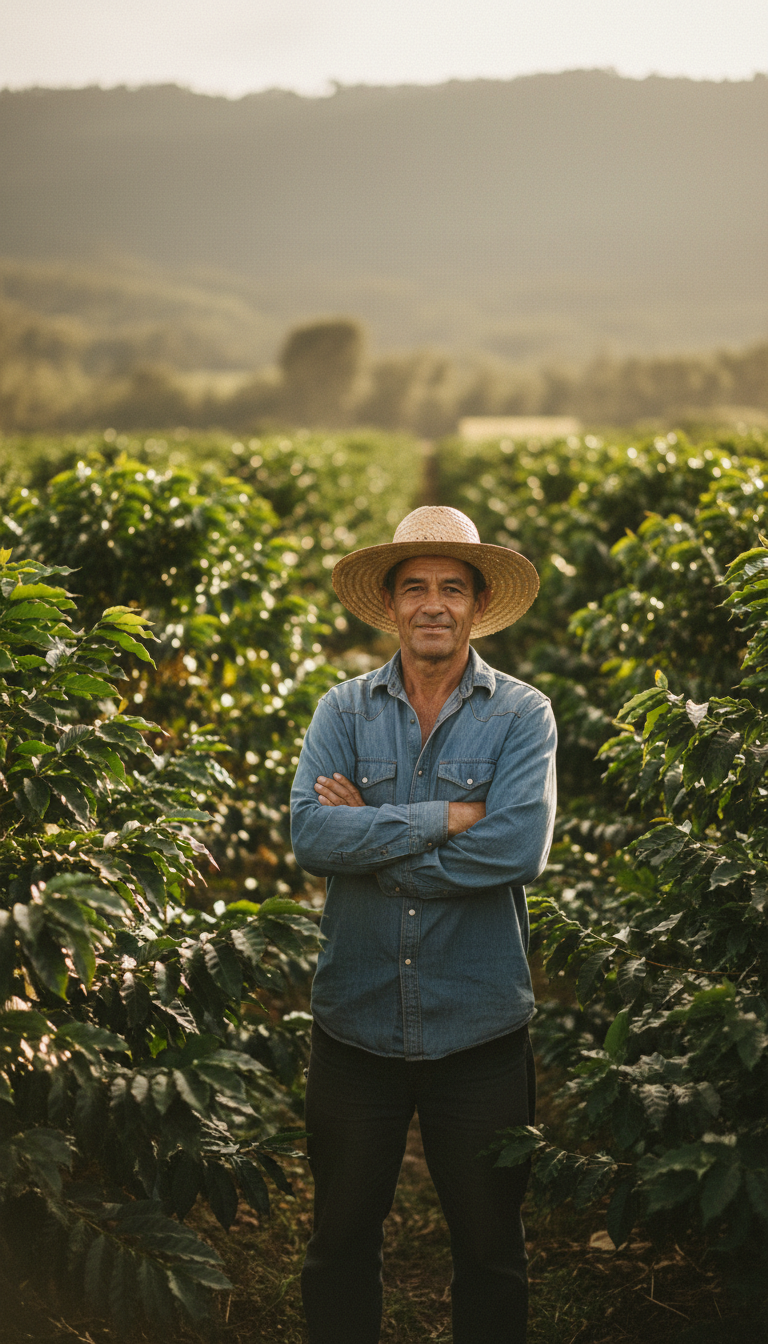
Coffee cultivation in Africa is both an art and a science. Farmers employ traditional methods passed down through generations, ensuring that each bean is nurtured to perfection. The dedication to sustainable practices is evident in the meticulous care taken during planting, picking, and processing.
Challenges and Opportunities
Despite their esteemed status, African cocoa and coffee industries face numerous challenges, including climate change, market fluctuations, and economic instability. However, there are significant opportunities for growth through sustainable farming practices, fair trade initiatives, and technological advancements.
Organizations and governments are increasingly focusing on empowering local farmers, improving infrastructure, and promoting fair trade to enhance the competitiveness of African cocoa and coffee on the global stage.
The Future of African Cocoa and Coffee
As global demand for premium cocoa and coffee continues to rise, Africa is poised to play a pivotal role in shaping the future of these industries. The commitment to quality, sustainability, and innovation will ensure that Africa remains a key player in the global market.
In conclusion, Africa’s finest cocoa and coffee offer more than just exquisite flavors; they represent a rich cultural legacy and a promising future. Whether enjoyed as a morning brew or a decadent chocolate bar, these products embody the spirit and resilience of the African continent.