
Empowering African Farmers: Stories from the Field


Introduction to Empowerment
Empowering African farmers is a crucial step towards achieving sustainable development and food security on the continent. Through innovative practices and community support, farmers are transforming their agricultural landscapes. This empowerment is not just about economic growth but also about enhancing the quality of life and ensuring environmental sustainability.
Across Africa, smallholder farmers face numerous challenges, including unpredictable weather patterns, limited access to resources, and market constraints. However, with the right support, they are overcoming these barriers and making significant strides in agricultural production.

Innovative Agricultural Practices
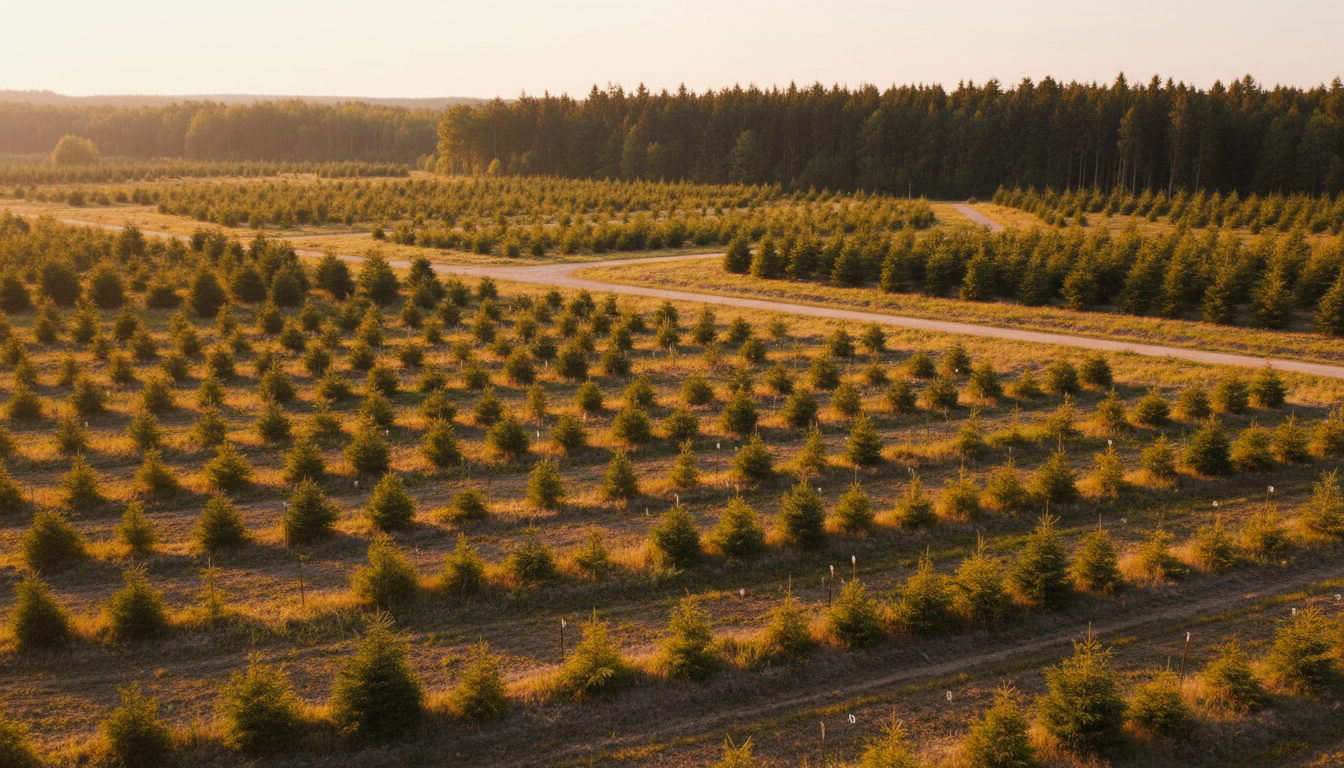
In recent years, there has been a surge in the adoption of innovative agricultural practices among African farmers. Techniques such as agroforestry, crop diversification, and sustainable irrigation methods are gaining traction. These practices not only increase crop yields but also improve soil health and water conservation.
Agroforestry, for instance, integrates trees into farming systems, providing shade, reducing soil erosion, and increasing biodiversity. Farmers who adopt these techniques often report better resilience against climate change and improved economic outcomes.
The Role of Technology
Technology plays a pivotal role in empowering African farmers. Mobile apps and digital platforms provide farmers with vital information on weather forecasts, market prices, and best practices. Access to this information allows farmers to make informed decisions, optimize resource use, and enhance productivity.
- Weather prediction apps help farmers plan their planting and harvesting schedules.
- Market access platforms connect farmers directly with buyers, ensuring fair prices.
- Online training modules offer education on sustainable farming methods.

Community and Cooperative Efforts
Community and cooperative efforts are at the heart of empowering African farmers. By working together, farmers can pool resources, share knowledge, and support each other in times of need. Cooperatives provide a platform for collective bargaining, reducing costs and increasing market access.
These community-driven initiatives often lead to the establishment of local processing units, adding value to raw products and increasing income for farmers. Such efforts are crucial in building resilient agricultural communities that can withstand external shocks.

Empowering Women Farmers
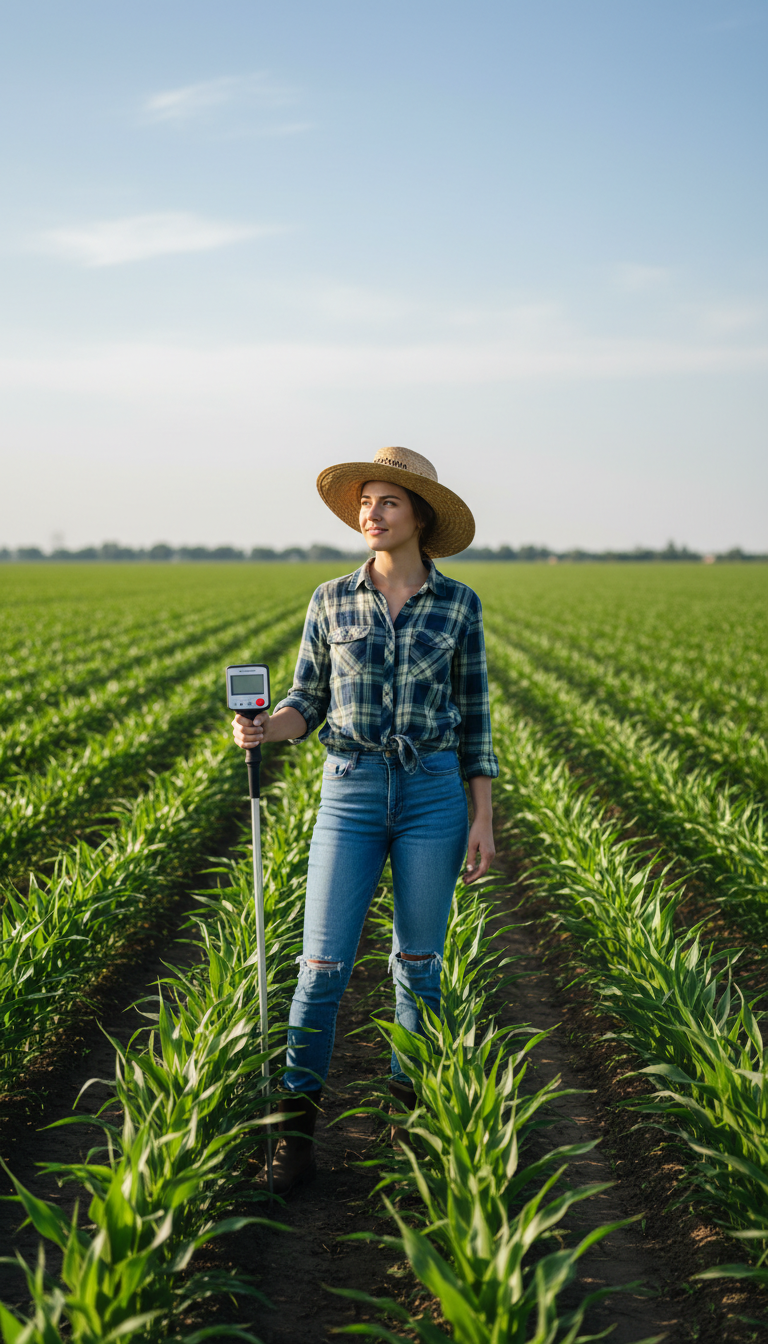
Women play a vital role in African agriculture, yet they often face significant barriers to empowerment. Addressing gender disparities in access to resources, education, and decision-making is essential for the overall success of agricultural initiatives.
Programs that focus on empowering women farmers have shown remarkable results. By providing women with access to land, credit, and training, these programs enhance their productivity and contribute to household food security.
Success Stories from the Field
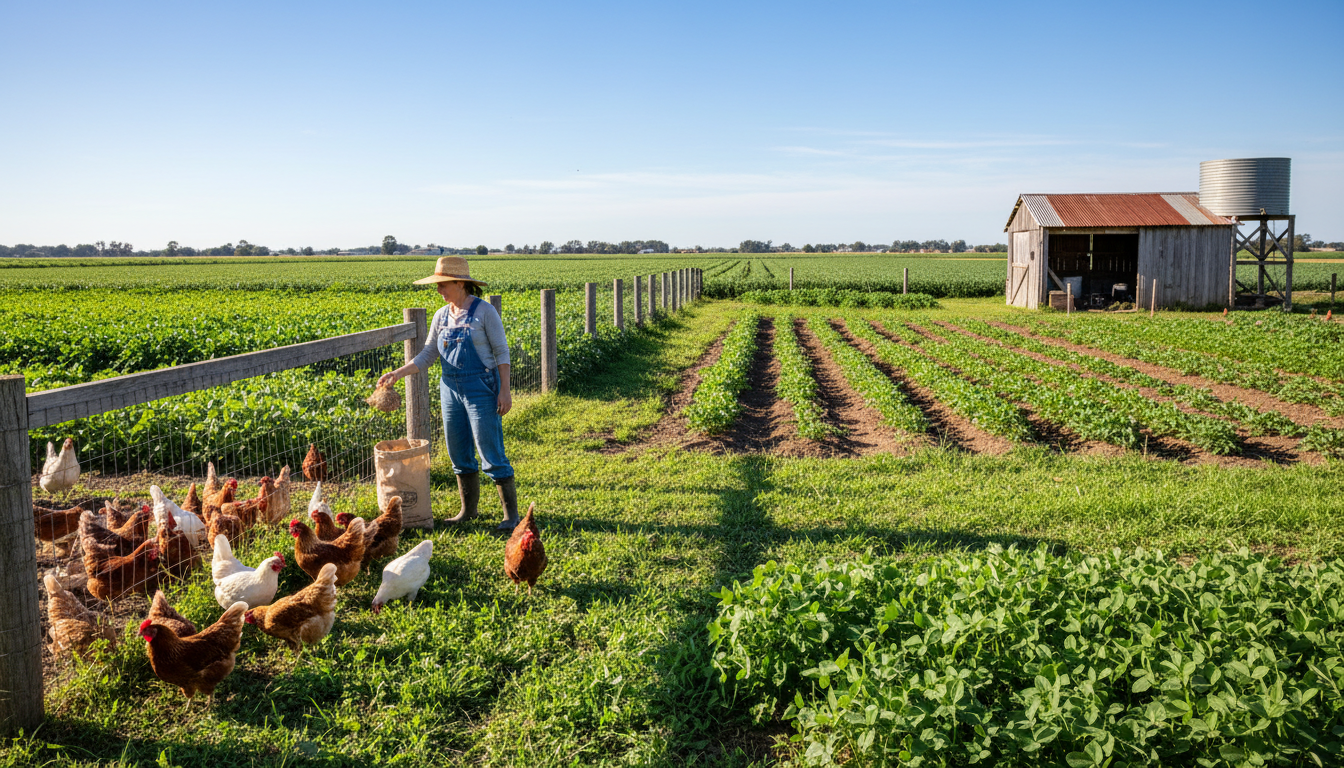
Across Africa, there are inspiring stories of farmers who have transformed their communities through innovation and perseverance. In Kenya, a group of farmers turned their arid land into a thriving agricultural hub by adopting water-efficient techniques and drought-resistant crops.
In Nigeria, a cooperative of women farmers has successfully established a processing plant, enabling them to produce and sell value-added products such as packaged grains and oils. These stories highlight the potential for growth and prosperity when farmers are empowered with the right tools and support.
Conclusion
Empowering African farmers is not just about improving agricultural output; it's about transforming lives and communities. Through innovative practices, technology, community efforts, and gender empowerment, African farmers are paving the way for a sustainable future.
As these stories from the field demonstrate, with the right support and resources, African farmers have the potential to become key players in the global agricultural landscape, ensuring food security and economic growth for generations to come.