Exploring the Impact of Verdant Trade Hub on Local Ugandan Communities


Introduction
The Verdant Trade Hub has emerged as a significant player in transforming local Ugandan communities. This initiative aims to bolster economic growth by connecting local producers with global markets, fostering sustainable development in the process. As we explore the impact of the Verdant Trade Hub, it is crucial to understand how it is reshaping the socio-economic landscape of Uganda.

Empowering Local Producers
One of the primary objectives of the Verdant Trade Hub is to empower local producers by providing them access to international markets. This access has allowed Ugandan farmers and artisans to sell their products at competitive prices, increasing their income and improving their living standards. By facilitating fair trade practices, the hub ensures that producers receive equitable compensation for their goods.
The hub also provides training and resources to help local businesses improve product quality and sustainability. This focus on quality has enhanced the reputation of Ugandan products, making them more attractive to international buyers.
Job Creation and Economic Growth
The Verdant Trade Hub has been instrumental in creating new job opportunities within local communities. By expanding market access, the hub has stimulated the growth of small and medium-sized enterprises (SMEs), which are crucial for economic development. These businesses, in turn, offer employment to local residents, reducing unemployment and fostering economic stability.

Moreover, the hub's focus on sustainable practices has encouraged environmentally friendly business operations, aligning economic growth with ecological preservation. This balance is essential for long-term prosperity and resource conservation.
Infrastructure Development
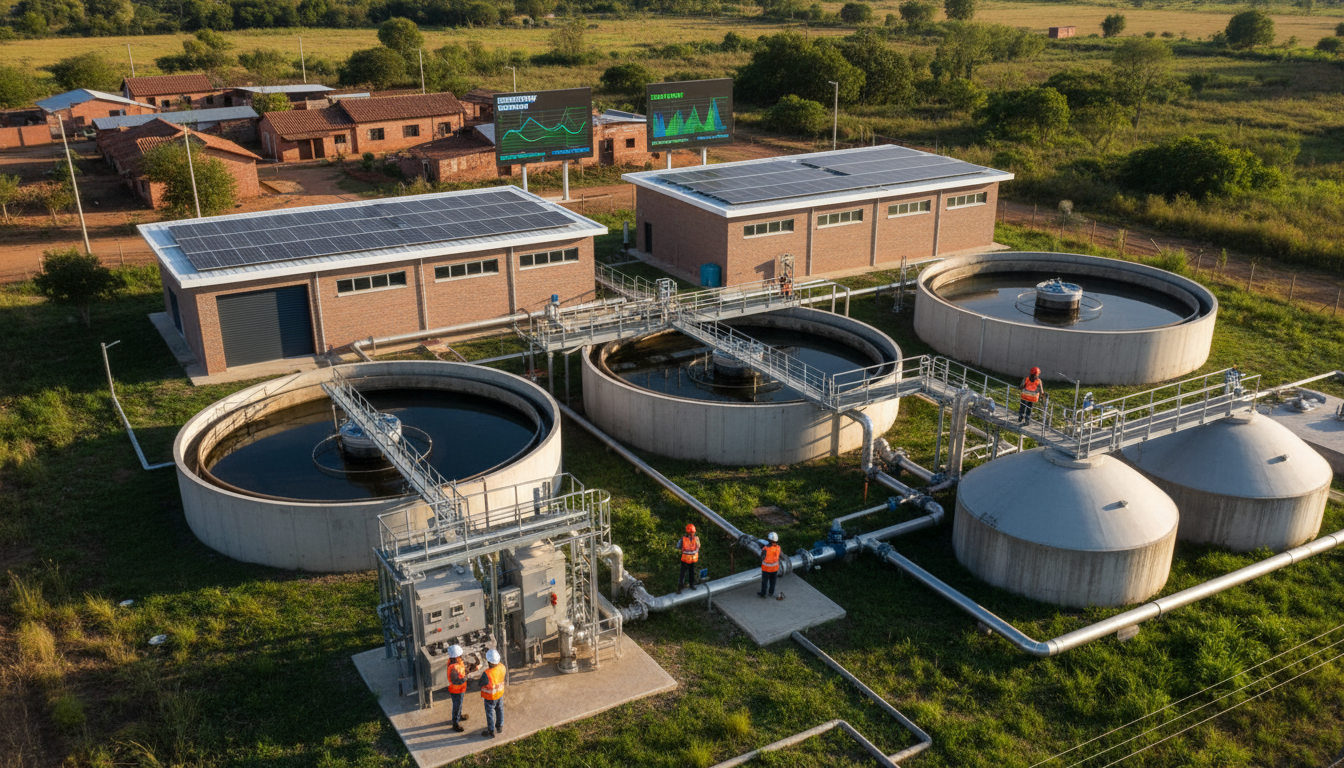
Another significant impact of the Verdant Trade Hub is the improvement of local infrastructure. As trade activities increase, there is a greater need for efficient transportation and communication networks. The hub has collaborated with local authorities to upgrade roads, ports, and digital infrastructure, facilitating smoother trade operations.
These improvements not only benefit businesses but also enhance the quality of life for community members, providing them with better access to services and opportunities.
Cultural Exchange and Community Engagement
The Verdant Trade Hub also plays a crucial role in promoting cultural exchange and community engagement. By connecting Ugandan communities with international markets, there is an increased exchange of ideas, traditions, and cultural practices. This exposure fosters mutual understanding and respect among different cultures.
Community engagement initiatives led by the hub have also empowered local populations to take an active role in their development. By involving community members in decision-making processes, the hub ensures that local needs and perspectives are considered in its operations.
Challenges and Future Prospects
Despite its successes, the Verdant Trade Hub faces several challenges, including logistical hurdles and the need for continuous capacity building. Addressing these challenges will require ongoing collaboration between stakeholders, including government bodies, businesses, and community organizations.

Looking ahead, the Verdant Trade Hub has the potential to further enhance its impact by expanding its reach and incorporating more communities into its network. By continuing to prioritize sustainable and equitable practices, the hub can serve as a model for other regions seeking to achieve similar development goals.
Conclusion
The Verdant Trade Hub has made significant strides in transforming local Ugandan communities by empowering producers, creating jobs, and improving infrastructure. Its commitment to sustainable development and cultural exchange has fostered a more inclusive and prosperous environment. As the hub continues to evolve, its ongoing impact will be a testament to the power of strategic trade initiatives in driving positive change.