
Navigating the International Market: A Guide for African Farmers


Introduction to the International Market
As global demand for diverse agricultural products continues to rise, African farmers have a unique opportunity to expand their reach beyond local markets. Navigating the international market, however, requires understanding its complexities and preparing strategically.
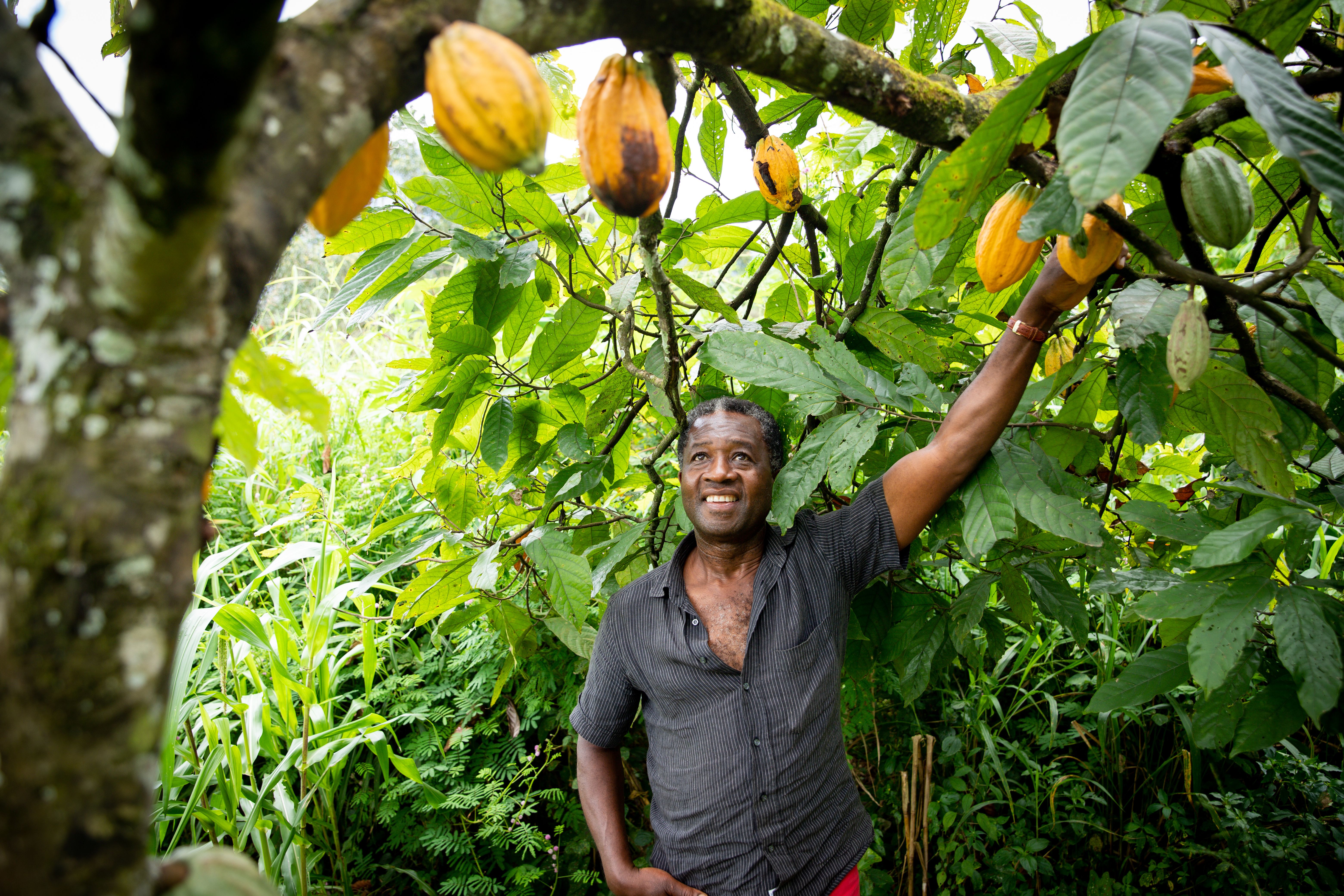
Understanding Market Requirements
Each international market has its own set of standards and regulations. Farmers need to ensure their products meet these requirements, which often include quality certifications, packaging standards, and phytosanitary measures. Researching the target market is crucial to avoid potential barriers.
Many countries require specific certifications, such as organic or fair trade, to access premium markets. Farmers should consider obtaining these certifications to enhance their product’s appeal and value.
Building Strong Partnerships
Collaboration is essential in accessing global markets. Partnerships with local exporters, international buyers, and agricultural cooperatives can provide valuable insights and facilitate entry into new markets. These partnerships often help in navigating logistics, understanding pricing structures, and managing supply chains.

Leveraging Technology and Innovation
Technology plays a pivotal role in modern agriculture, offering tools for better crop management and market access. Embracing digital platforms can help farmers connect with buyers worldwide, track market trends, and receive timely payments.
Innovative farming techniques, such as precision agriculture, can also enhance productivity and product quality, making African products more competitive on the global stage.
Financial Considerations
Access to capital is a major challenge for many African farmers looking to enter international markets. Understanding the financial aspects, such as exchange rates, trade finance, and export credits, is critical for success.

Farmers should explore available financial support from government programs, NGOs, and international organizations that offer grants, loans, or subsidies tailored for agricultural exports.
Marketing and Branding
Strong branding can differentiate African agricultural products in the international market. Creating a compelling story around the product, emphasizing its origin, sustainability, and unique qualities, can attract global consumers.
Utilizing social media and online marketplaces can further extend the reach and visibility of African products, tapping into a wider audience effectively.
Conclusion
Navigating the international market is a challenging yet rewarding endeavor for African farmers. By understanding market requirements, building strong partnerships, leveraging technology, managing financial aspects, and focusing on marketing, farmers can successfully expand their horizons and contribute to the global agricultural landscape.