Seasonal Tips for Sourcing Premium Coffee and Cocoa from Africa

Understanding the African Coffee and Cocoa Landscape
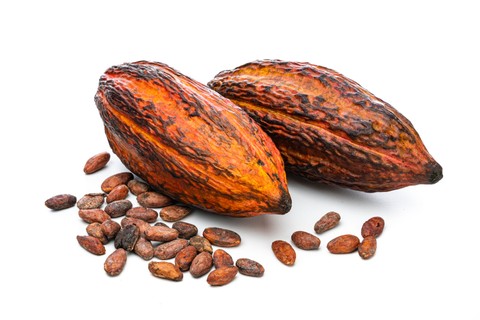
When it comes to sourcing premium coffee and cocoa, Africa is a continent rich in diversity and quality. Known for its unique flavors and robust production capabilities, Africa offers some of the finest coffee and cocoa beans in the world. Understanding the seasonal variations and regional differences can significantly impact the quality of the product you select.
Africa's varied climates and altitudes contribute to the distinct taste profiles of its coffee and cocoa. From the fruity notes of Ethiopian coffee to the rich, deep flavors of Ghanaian cocoa, there's something for every palate. Recognizing these differences is key to sourcing products that meet your specific needs.
Seasonal Considerations for Coffee Sourcing
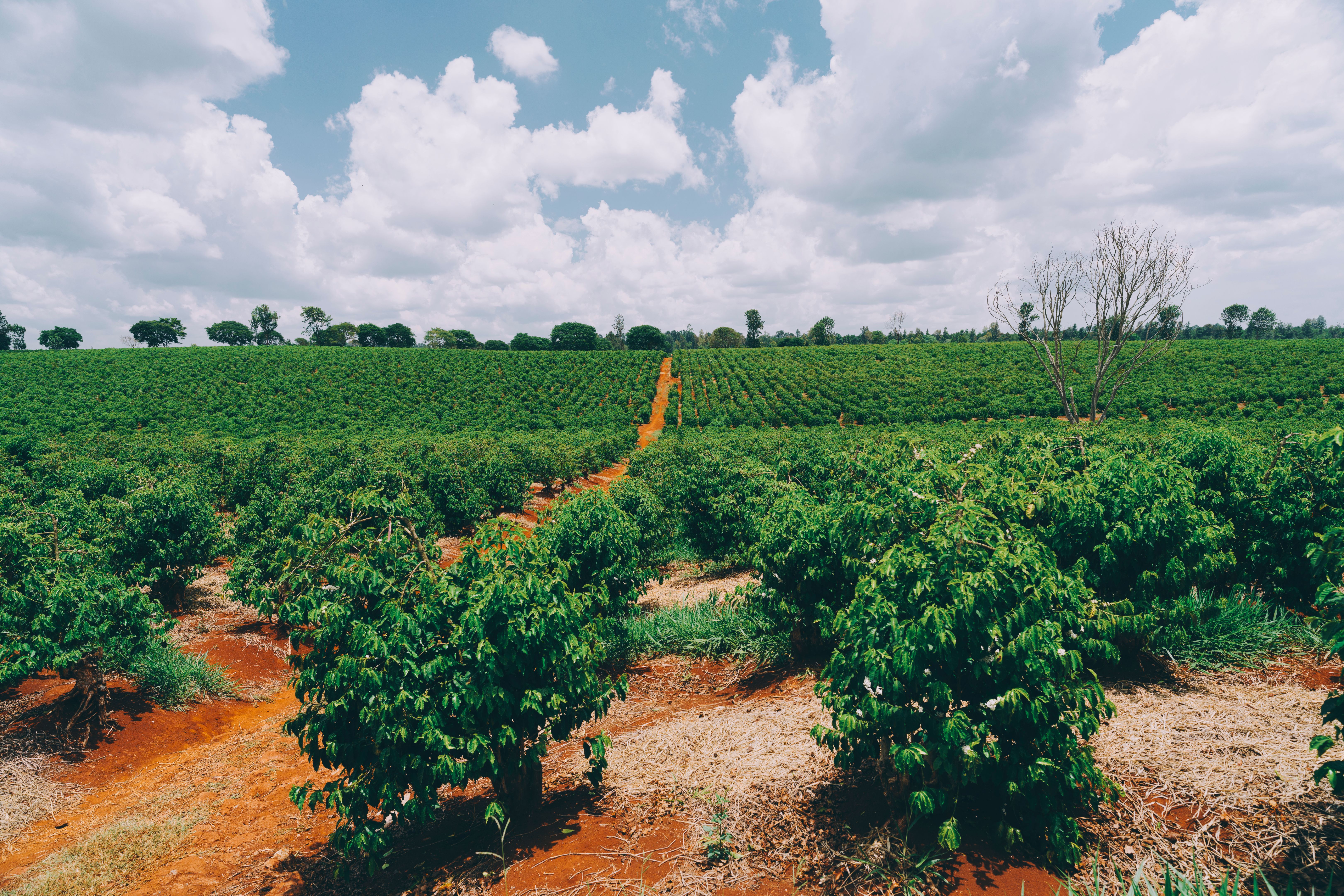
In Africa, coffee harvesting seasons vary by region due to the continent's diverse climate zones. Generally, the main harvest period runs from October to March in East Africa, while West African countries like Côte d'Ivoire and Sierra Leone have their principal harvest from April to September.
To source the best beans, it's important to plan your purchases around these harvest cycles. Freshly harvested beans not only ensure superior flavor but also support local farmers during peak times, ensuring a fairer trade relationship. Additionally, consider the potential for increased availability and better pricing during these periods.

Cocoa Harvesting Seasons in Africa
Cocoa, much like coffee, has specific harvesting seasons that vary by region. In West Africa, which produces the majority of the continent’s cocoa, the main harvest season is from October to March, with a smaller mid-crop harvest from April to September. This timing can influence the availability and quality of the cocoa beans.
When sourcing cocoa, it's crucial to consider these seasonal fluctuations to maintain a consistent supply. Aligning purchases with harvest peaks can enhance the quality of your cocoa products and provide economic benefits to farmers during their most critical periods.
Building Relationships with Local Farmers
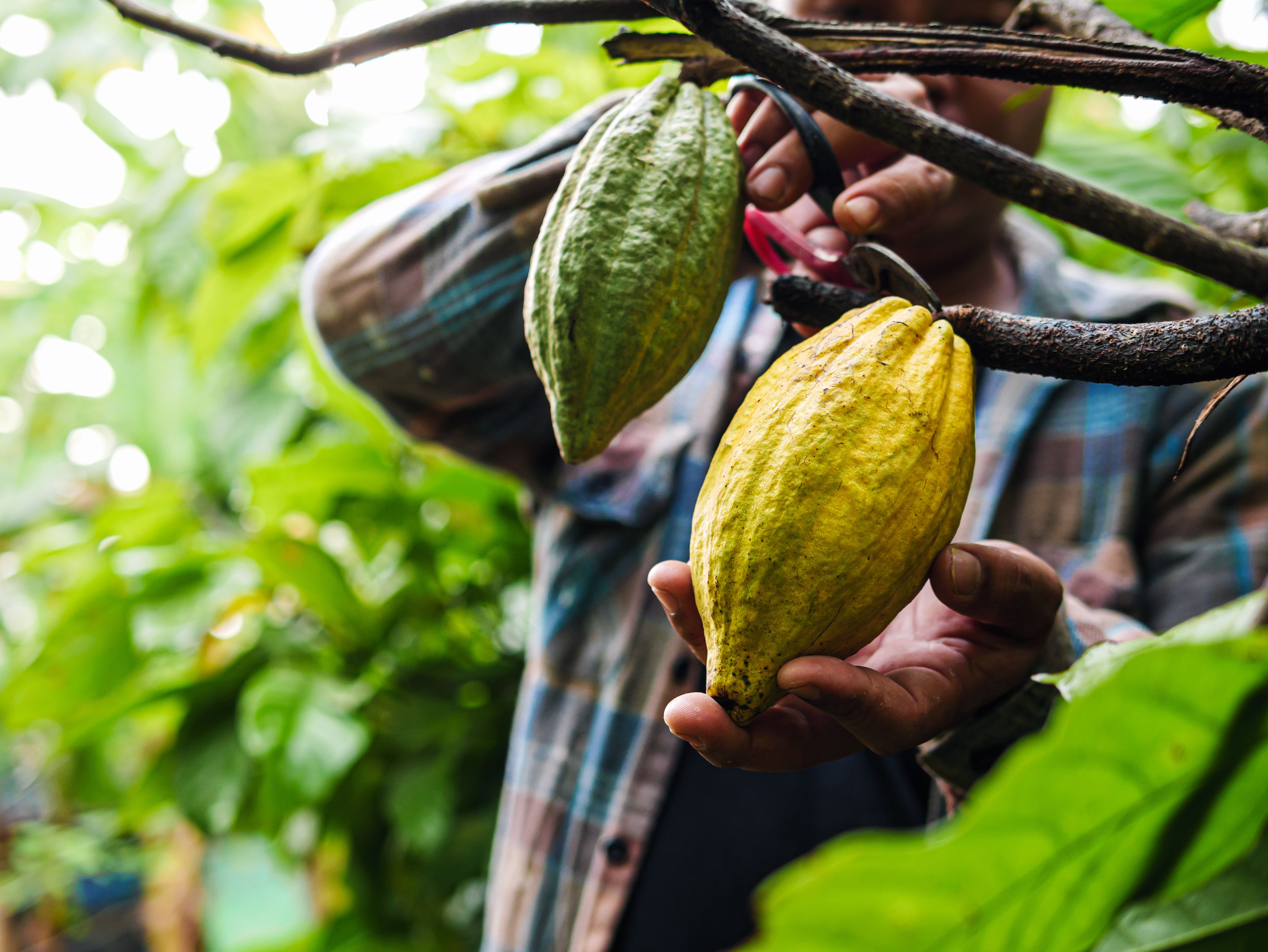
Establishing strong relationships with local farmers and cooperatives is essential for sourcing premium coffee and cocoa from Africa. Direct trade not only benefits the farmers by providing them with fair prices but also ensures that you receive high-quality, ethically sourced products.
Consider visiting farms and cooperatives to gain firsthand knowledge of the production processes. This approach fosters trust and transparency, which are vital for long-term partnerships and sustainability in the supply chain.
Quality Assurance and Certification
When sourcing from Africa, it's important to prioritize quality assurance and certification. Look for beans that are certified organic or fair trade, as these indicators reflect sustainable and ethical farming practices.
- Organic Certification: Ensures that the coffee or cocoa is grown without harmful chemicals.
- Fair Trade Certification: Guarantees fair wages and working conditions for farmers.

Conclusion: Embrace the Diversity
Incorporating seasonal tips and strategies for sourcing coffee and cocoa from Africa can greatly enhance the quality of your products. By understanding the unique characteristics of each region and fostering strong relationships with local producers, you can offer consumers exceptional flavors while supporting sustainable practices.
Embrace the diversity of African coffee and cocoa, and let the rich, vibrant tastes elevate your offerings. This approach not only benefits your business but also contributes positively to the communities that cultivate these precious crops.