Sustainable Farming Practices: A Guide to Verdant Trade Hub’s Approach


As the global population continues to grow, the demand for sustainable and responsible farming practices becomes increasingly urgent. Verdant Trade Hub is at the forefront of this movement, implementing innovative strategies that prioritize environmental health, economic profitability, and social and economic equity. In this guide, we explore the key sustainable farming practices adopted by Verdant Trade Hub to promote a more sustainable future.
Embracing Organic Farming Techniques
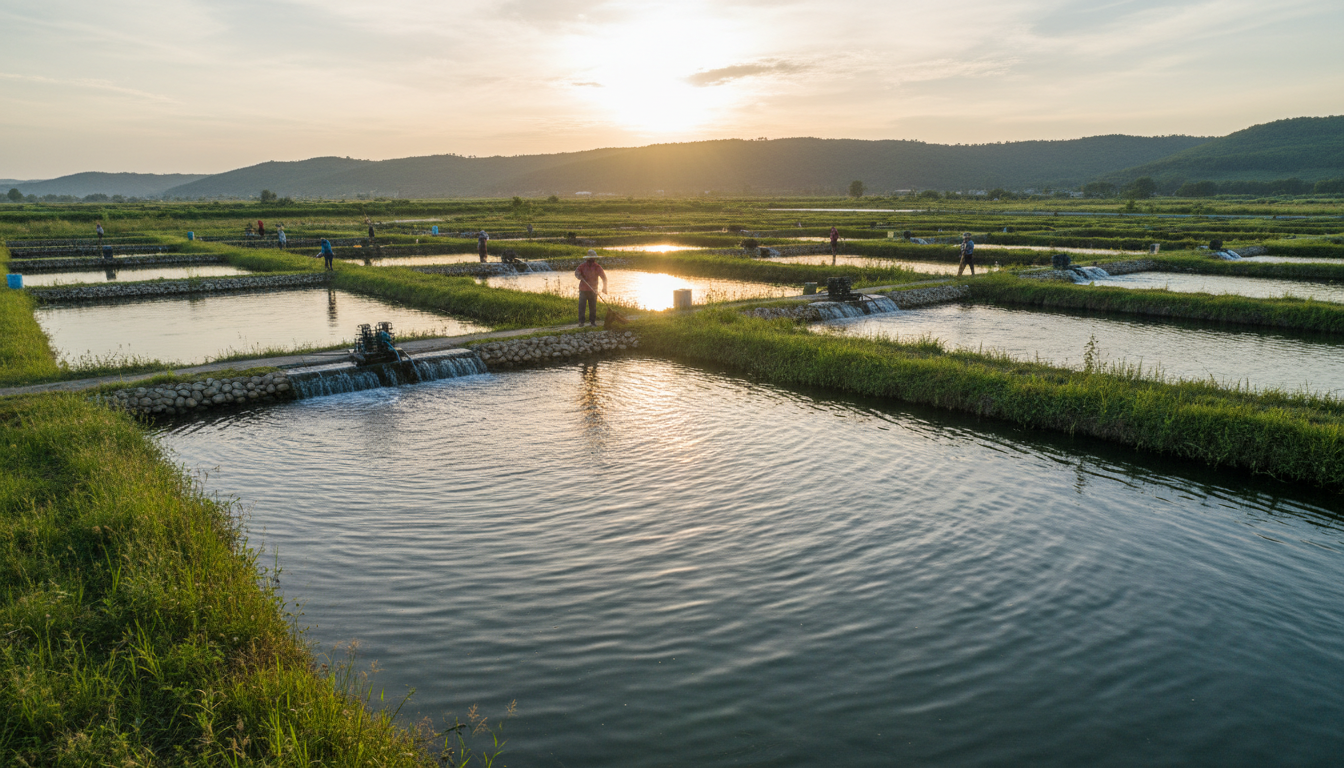
At the heart of Verdant Trade Hub's approach is the commitment to organic farming. By eliminating synthetic fertilizers and pesticides, Verdant ensures that their farming practices do not harm the surrounding ecosystem. Instead, they utilize natural alternatives, such as compost and green manure, to enhance soil fertility and plant health.
These organic techniques not only reduce the farm's carbon footprint but also result in healthier produce. Consumers benefit from food that is free from harmful chemicals, while the environment thrives through improved biodiversity.
Soil Management and Conservation
Soil health is paramount to sustainable farming. Verdant Trade Hub employs a variety of soil management practices to maintain and enhance soil quality. Crop rotation, cover cropping, and reduced tillage are just a few methods used to prevent soil erosion, increase organic matter, and support microbial activity.
Water Conservation Strategies
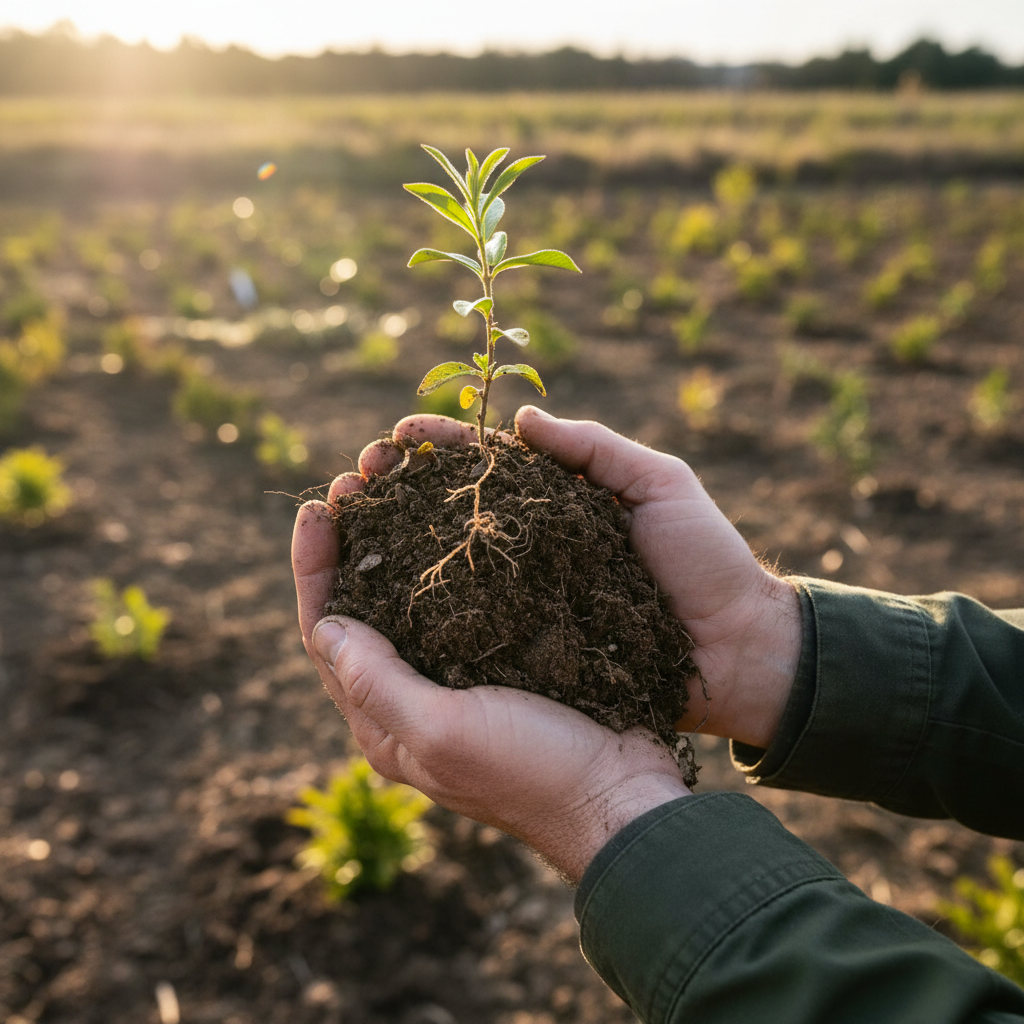
Water is a precious resource, and Verdant Trade Hub is dedicated to using it wisely. Implementing efficient irrigation systems, such as drip irrigation, helps minimize water waste. Additionally, rainwater harvesting systems are installed to capture and utilize natural rainfall, reducing dependency on local water supplies.
By prioritizing water conservation, Verdant not only protects local water resources but also ensures the sustainability of their farming operations, even in times of drought.
Agroforestry and Biodiversity
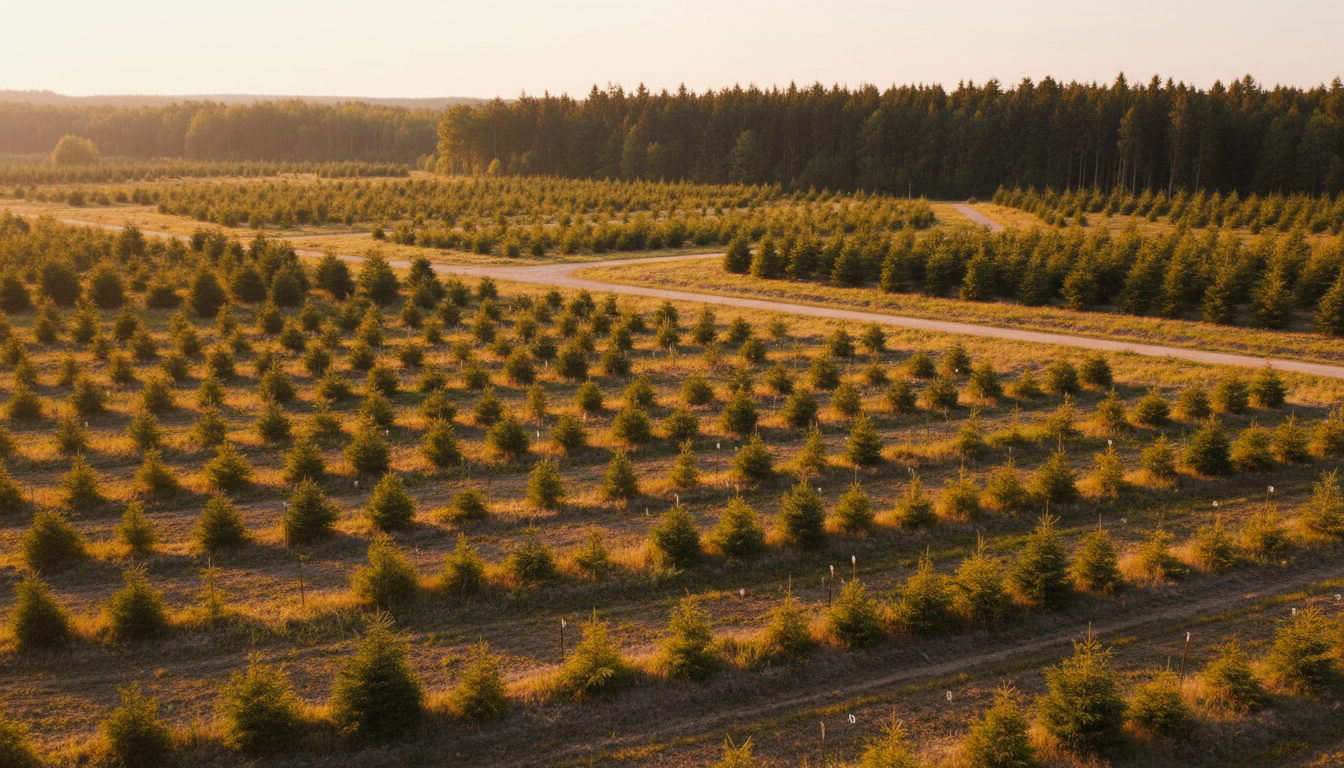
Integrating trees and shrubs into farming systems is another key practice at Verdant Trade Hub. Agroforestry enhances biodiversity, improves soil structure, and provides habitat for wildlife. This symbiotic relationship between trees and crops leads to healthier ecosystems and more resilient farms.
Renewable Energy Adoption
To further reduce their environmental impact, Verdant Trade Hub harnesses renewable energy sources. Solar panels and wind turbines are strategically placed to power farm operations, decreasing reliance on fossil fuels. This transition to clean energy not only cuts emissions but also reduces operational costs.
By investing in renewable energy, Verdant demonstrates a commitment to sustainable farming that is economically viable and environmentally responsible.
Community Engagement and Education
Verdant Trade Hub believes in the power of community and education to drive change. They actively engage with local communities, sharing knowledge and resources to promote sustainable farming practices. Workshops, training sessions, and collaborative projects empower farmers to adopt eco-friendly methods and understand their long-term benefits.
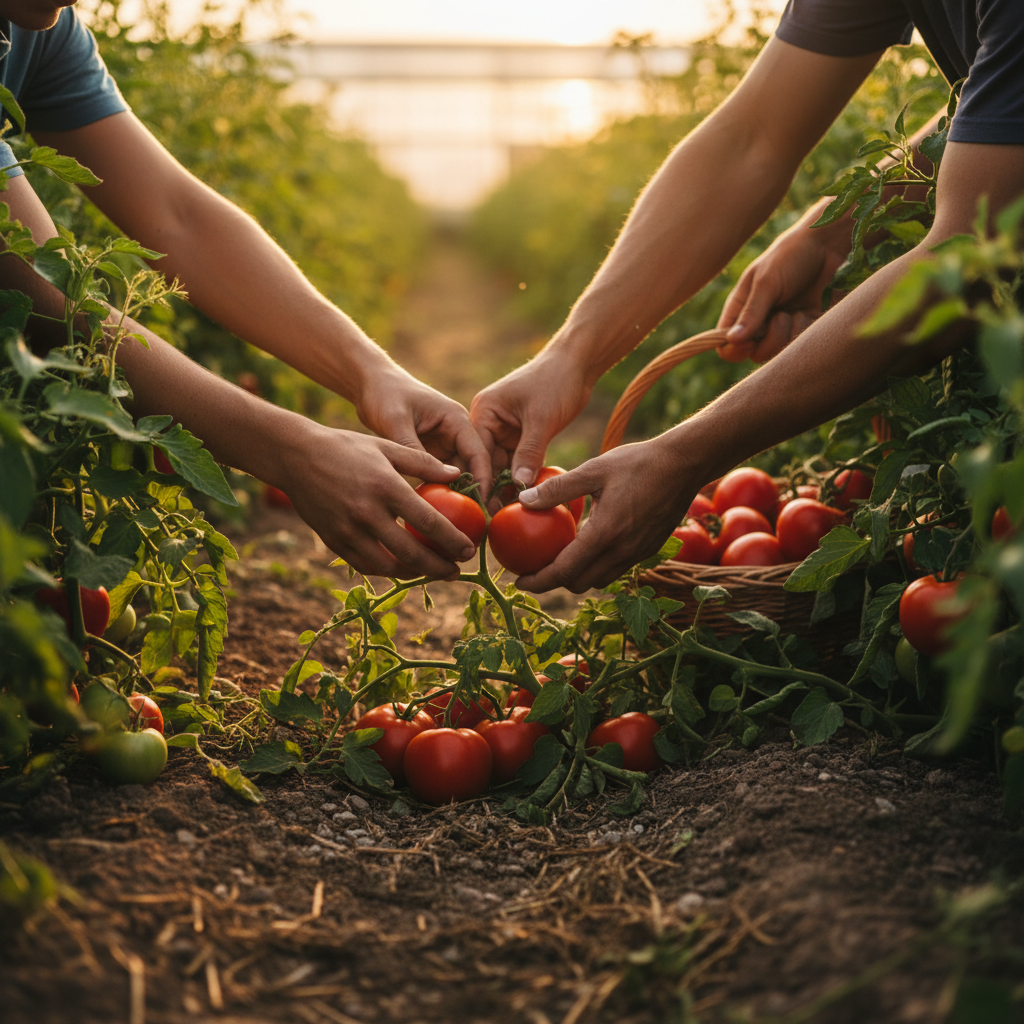
Through these community efforts, Verdant fosters a culture of sustainability that extends beyond their fields, inspiring a new generation of environmentally conscious farmers.
By embracing these sustainable farming practices, Verdant Trade Hub sets a shining example for the agricultural industry. Their comprehensive approach not only addresses the immediate needs of their farm but also contributes to a healthier planet for future generations. As more farms adopt similar strategies, the vision of a sustainable global food system becomes ever more attainable.