
Sustainable Practices in Coffee Production: A Catalyst for Change


Understanding Sustainable Coffee Production
As global demand for coffee continues to rise, sustainable practices in coffee production have become a crucial focus. Sustainability in this context refers to methods that not only boost productivity but also protect the environment and improve the livelihoods of coffee farmers. This approach is essential for ensuring that the coffee industry can thrive for generations to come.
The traditional methods of coffee production often involve practices that can harm the environment, such as deforestation and excessive water use. These practices can lead to soil degradation, loss of biodiversity, and increased carbon emissions. However, sustainable practices aim to mitigate these impacts through innovative and eco-friendly strategies.
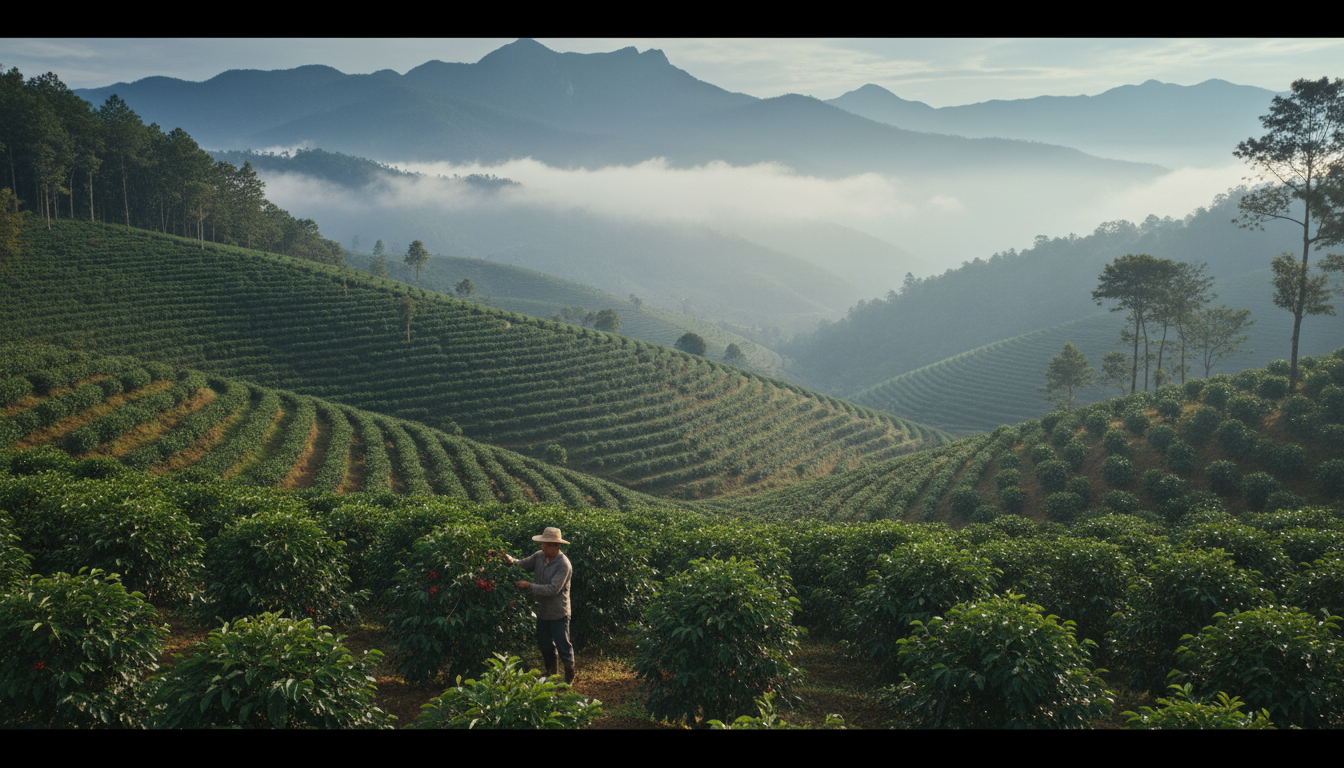
Key Sustainable Practices
Several practices are being adopted by coffee producers worldwide to promote sustainability. These include:
- Agroforestry: Integrating trees into coffee plantations helps to preserve biodiversity, improve soil quality, and provide shade, which can enhance coffee quality.
- Organic Farming: Avoiding synthetic fertilizers and pesticides, organic farming relies on natural processes, which can improve soil health and reduce pollution.
- Water Conservation: Techniques such as rainwater harvesting and efficient irrigation systems are crucial for reducing water usage in coffee production.
The Role of Technology
Technology plays a significant role in advancing sustainable coffee production. From satellite imagery to monitor crop health to mobile apps that provide farmers with real-time data, technology helps optimize resource use and improve efficiency. These tools empower producers to make informed decisions that benefit both their crops and the environment.

Economic and Social Benefits
Sustainable coffee production not only protects the environment but also offers economic and social benefits to coffee-producing communities. By adopting sustainable practices, coffee farmers can often achieve higher yields and better quality beans, leading to increased income.
Furthermore, sustainability initiatives often involve training and education programs that empower farmers with the knowledge and skills they need to improve their livelihoods. This empowerment is key to fostering resilient and prosperous communities.
Consumer Awareness
As consumers become more aware of the environmental and social impacts of their purchases, the demand for sustainably produced coffee is growing. Brands that prioritize sustainability are often able to command higher prices, reflecting the quality and ethical considerations of their products.

Ultimately, sustainable practices in coffee production are not just beneficial for the environment and producers—they also resonate with consumers who are increasingly seeking products that align with their values. This shift in consumer behavior is a powerful catalyst for change in the coffee industry.
By continuing to support and invest in sustainable practices, the coffee sector can ensure a brighter, more equitable future for all stakeholders involved.