
Sustainable Sourcing Solutions: Transforming Africa's Agro-Produce Supply Chain


In recent years, the importance of sustainable sourcing in Africa's agro-produce supply chain has gained significant attention. This approach not only promotes environmental responsibility but also enhances economic stability and supports local communities. With a focus on ethical practices, sustainable sourcing is transforming how businesses operate across the continent.

The Importance of Sustainable Sourcing
Sustainable sourcing involves procuring products in a way that considers the long-term impact on the economy, society, and environment. In Africa, where agriculture is a primary economic driver, adopting sustainable practices is crucial. By prioritizing sustainability, businesses can help safeguard natural resources, ensure food security, and promote fair trade practices.
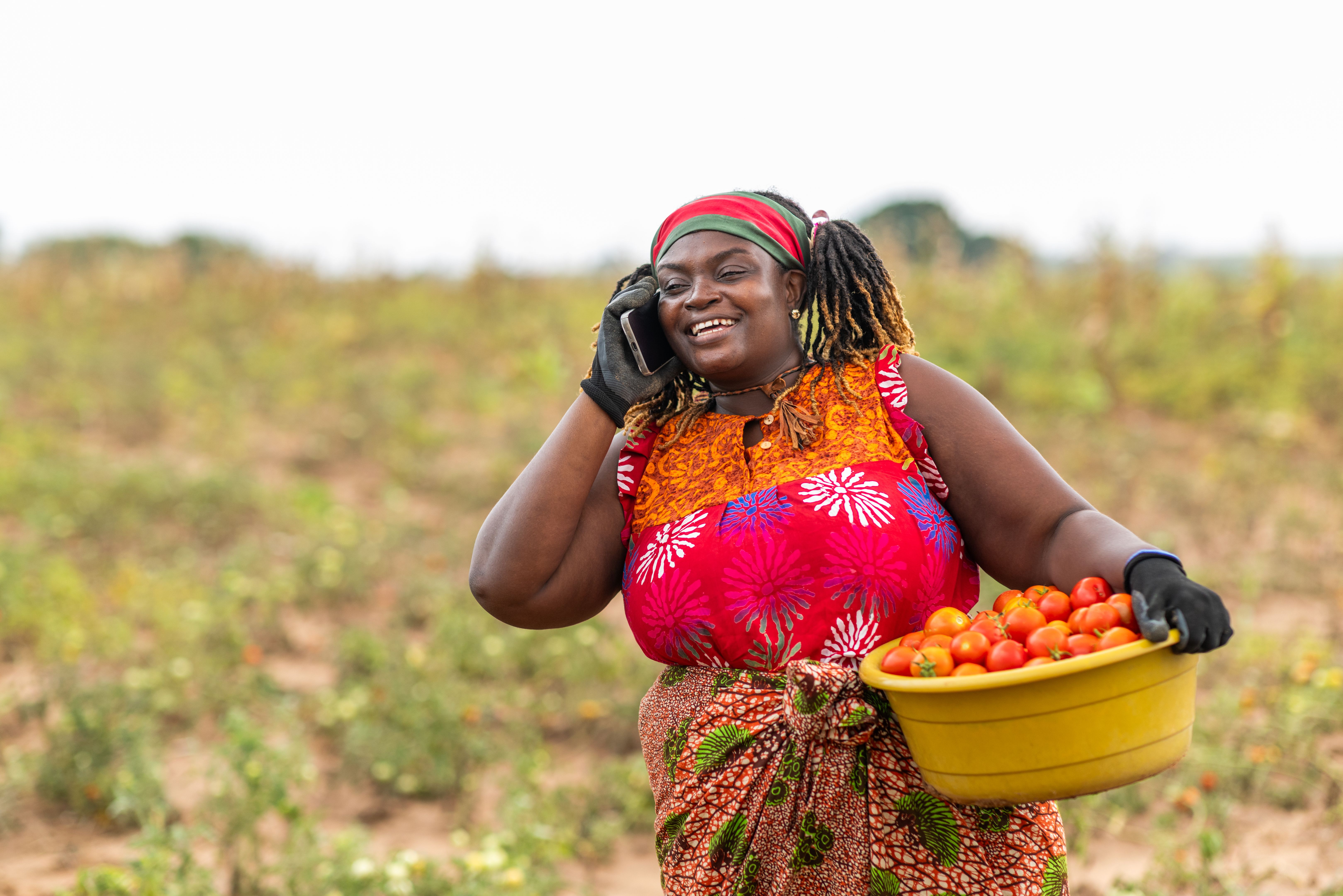
One of the key benefits of sustainable sourcing is its ability to improve the livelihoods of local farmers. By establishing fair trade agreements and investing in community development, companies can ensure that farmers receive fair compensation for their products. This, in turn, leads to improved living standards and greater economic stability.
Technological Innovations in the Supply Chain
Technology plays a vital role in transforming Africa's agro-produce supply chain. From blockchain for traceability to mobile apps for market access, innovations are empowering farmers and enhancing transparency. These technological tools help trace the origins of produce, ensuring that sourcing practices meet ethical and environmental standards.

Moreover, precision agriculture, which includes the use of drones and IoT devices, is increasing efficiency and productivity on farms. By providing real-time data on soil health and crop growth, these technologies enable farmers to make informed decisions, reducing waste and optimizing resource use.
Challenges and Opportunities
Despite the progress, there are challenges that need to be addressed. Infrastructure limitations, lack of access to capital, and educational barriers can hinder the widespread adoption of sustainable practices. However, these challenges also present opportunities for investment and innovation.
- Investing in infrastructure development can improve market access for rural farmers.
- Providing financial support and training can empower farmers to adopt sustainable methods.
- Partnerships between governments, NGOs, and private sectors can drive systemic change.
The Role of Policy and Regulation
Government policies and regulations are crucial in promoting sustainable sourcing. By implementing policies that encourage eco-friendly practices and discourage exploitative ones, governments can create an enabling environment for sustainable agriculture. Incentives for sustainable farming practices can further motivate farmers to embrace these methods.
Collaboration between countries can also lead to the development of regional standards and certifications, enhancing the reputation of African agro-produce on the global market. This not only boosts economic growth but also positions Africa as a leader in sustainable agriculture.
The Future of Sustainable Sourcing in Africa
As awareness of environmental and social issues grows, the demand for sustainably sourced products is set to rise. African countries have the opportunity to capitalize on this trend by showcasing their commitment to sustainability. Embracing this approach can lead to stronger global partnerships and increased investment in the continent.
The journey toward sustainable sourcing in Africa's agro-produce supply chain is ongoing. By continuing to innovate, collaborate, and invest in sustainable practices, the region can ensure a prosperous future for its agriculture sector and its people.