
The Future of Agriculture: Innovations and Trends at Verdant Trade Hub

Embracing Technological Advancements
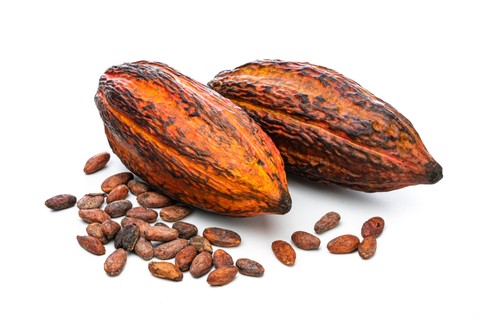
The agriculture industry is undergoing a revolutionary transformation, driven by technological innovations. These advancements are not only enhancing productivity but also promoting sustainable practices. At the Verdant Trade Hub, we are witnessing firsthand how technology is shaping the future of agriculture.
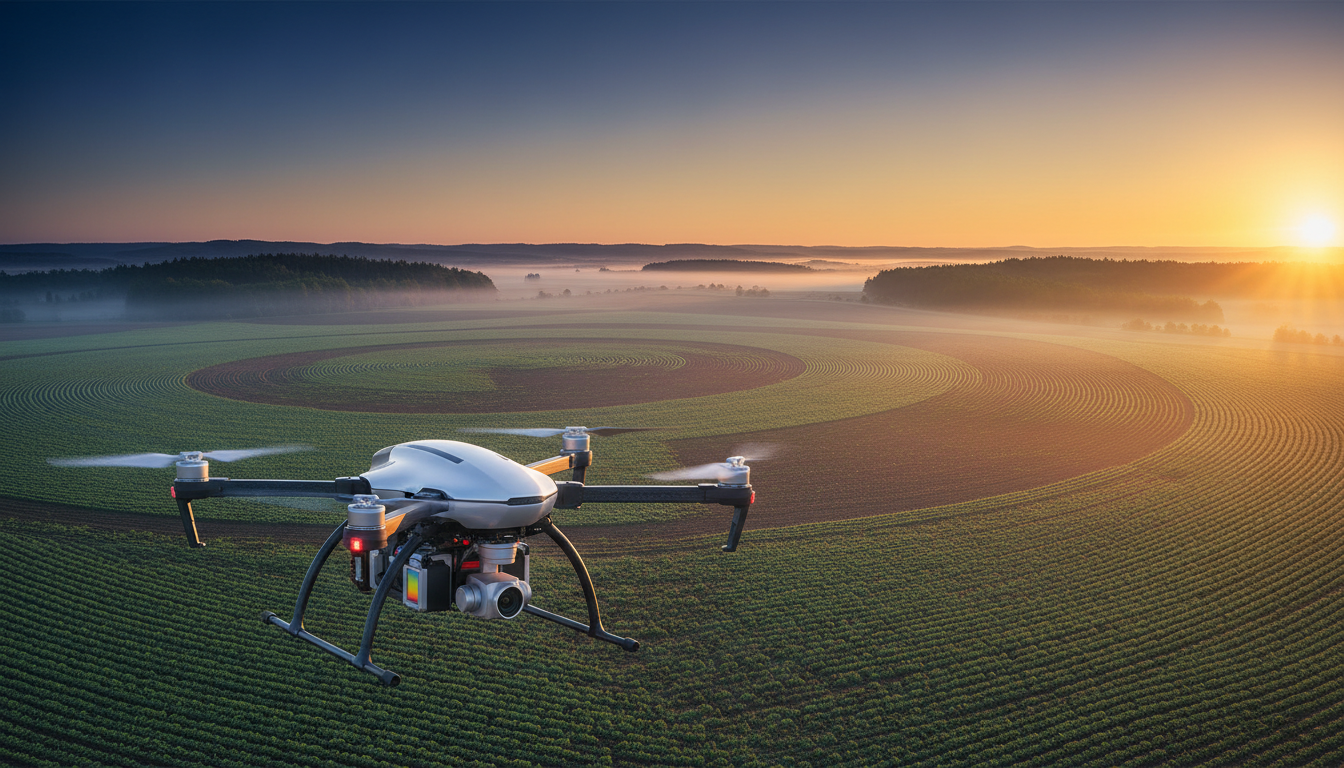
One of the most significant innovations is the use of drones. These aerial devices are being utilized for crop monitoring, irrigation management, and even planting. Drones equipped with multispectral sensors provide farmers with detailed data, allowing for precise resource allocation.
Precision Agriculture
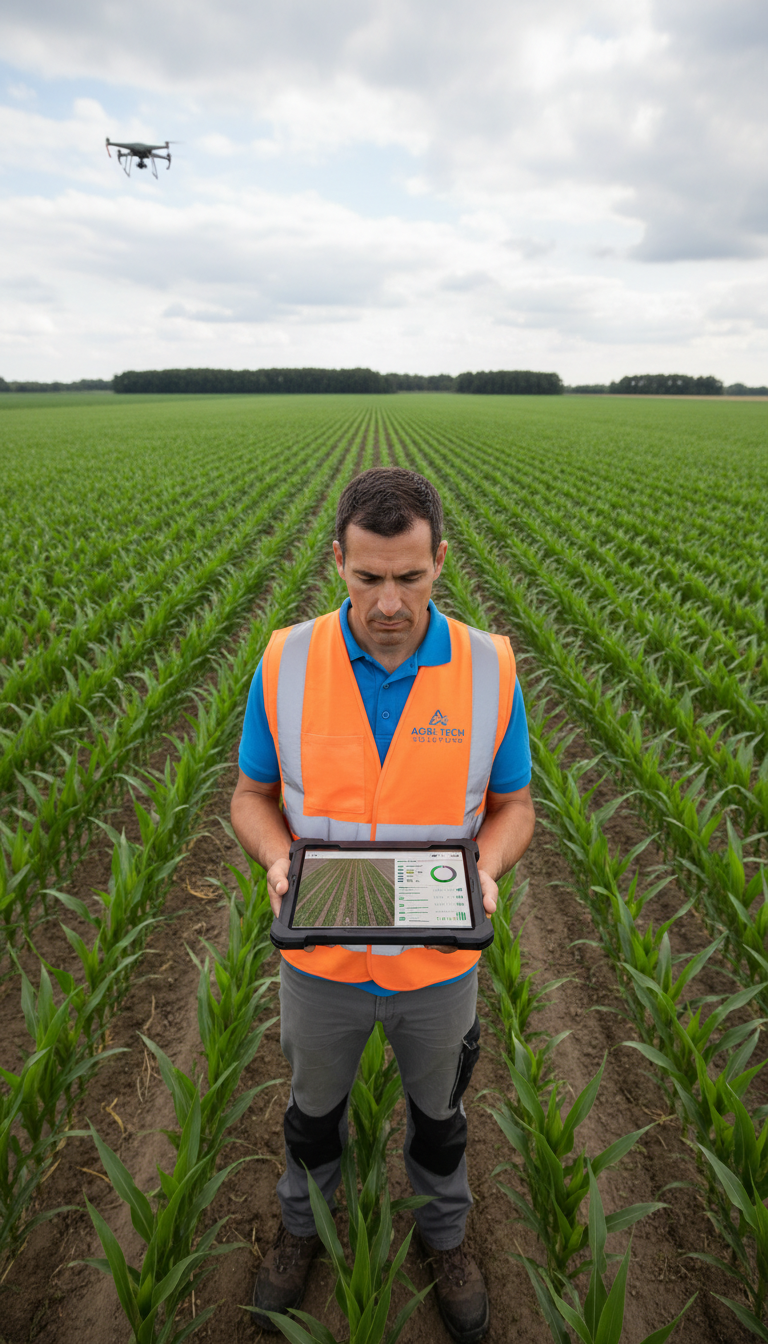
Precision agriculture is a trend that is gaining momentum. This approach involves the use of data analytics to optimize field-level management. By employing GPS technology and IoT devices, farmers can make informed decisions, improving yield and minimizing waste.
For example, precision agriculture techniques enable variable rate application of inputs such as fertilizers and pesticides. This not only boosts efficiency but also reduces environmental impact. Farmers are now able to monitor soil conditions and crop health in real time.
Sustainable Practices
With the growing focus on sustainability, agriculture is adopting eco-friendly practices. The Verdant Trade Hub is at the forefront of promoting methods that conserve resources and reduce carbon footprints. Organic farming, crop rotation, and cover cropping are becoming increasingly popular.
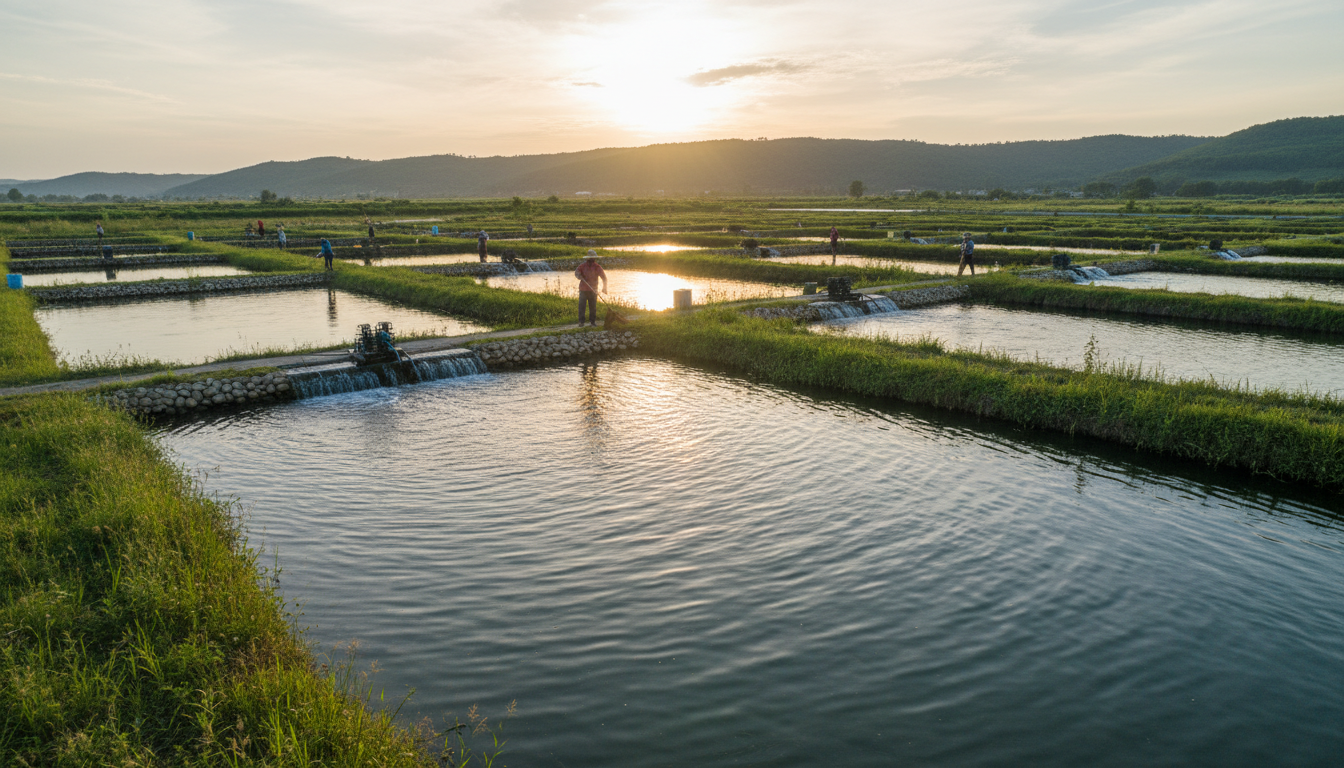
Moreover, sustainable practices extend to water conservation. Techniques such as drip irrigation and rainwater harvesting are helping farmers use water more efficiently. These methods ensure that agriculture remains viable in regions facing water scarcity.
The Rise of Vertical Farming
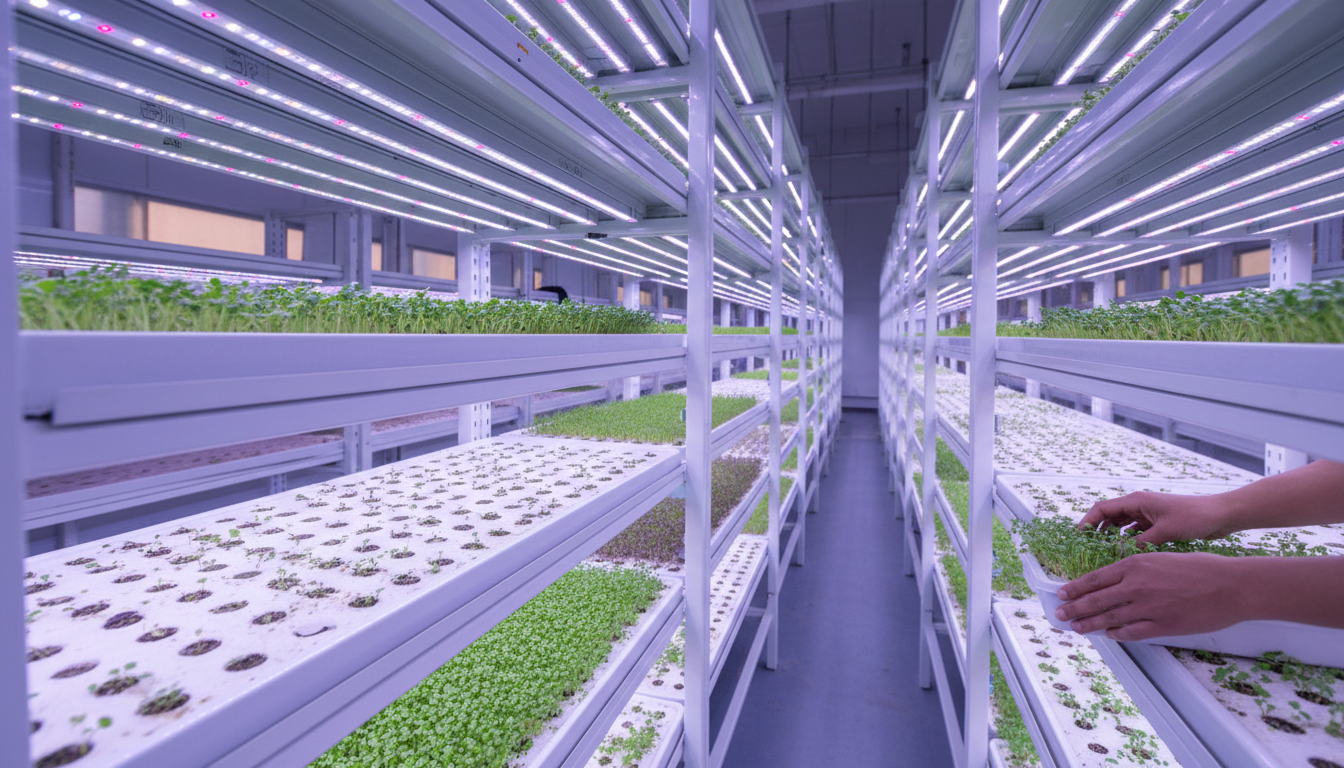
Vertical farming is another groundbreaking trend. By growing crops in stacked layers, this method maximizes space and reduces the need for large tracts of farmland. Vertical farms use LED lighting and controlled environments to optimize growth conditions.
This innovation is particularly beneficial in urban areas where land is limited. Vertical farms can produce fresh produce year-round, reducing the dependency on traditional supply chains.
Biotechnology and Genetic Engineering
Biotechnology is playing a crucial role in developing crops that are more resilient to climate change. Through genetic engineering, scientists are creating plant varieties that are drought-resistant and pest-resistant, ensuring food security in the face of global challenges.
These advancements in biotechnology not only enhance crop resilience but also improve nutritional content. By focusing on biofortification, farmers can produce crops that are richer in essential vitamins and minerals, addressing malnutrition concerns.
- Drought-resistant crops
- Pest-resistant varieties
- Biofortified plants
The future of agriculture is bright, with endless possibilities driven by innovation and technology. At Verdant Trade Hub, we are excited to be part of this journey, supporting farmers and promoting sustainable practices that will feed the world for generations to come.