
The Impact of Sustainable Agriculture on Global Trade


Understanding Sustainable Agriculture
Sustainable agriculture is reshaping the way we think about farming practices and their broader implications. By prioritizing environmental health, economic profitability, and social equity, sustainable farming methods are gaining traction globally. This shift is not just an environmental necessity; it's also becoming a significant factor in global trade dynamics.
As countries adopt sustainable practices, they can enhance their export potential. Products grown sustainably often carry a higher market value, appealing to environmentally conscious consumers worldwide. This demand is driving a transformation in how agricultural products are traded across borders.
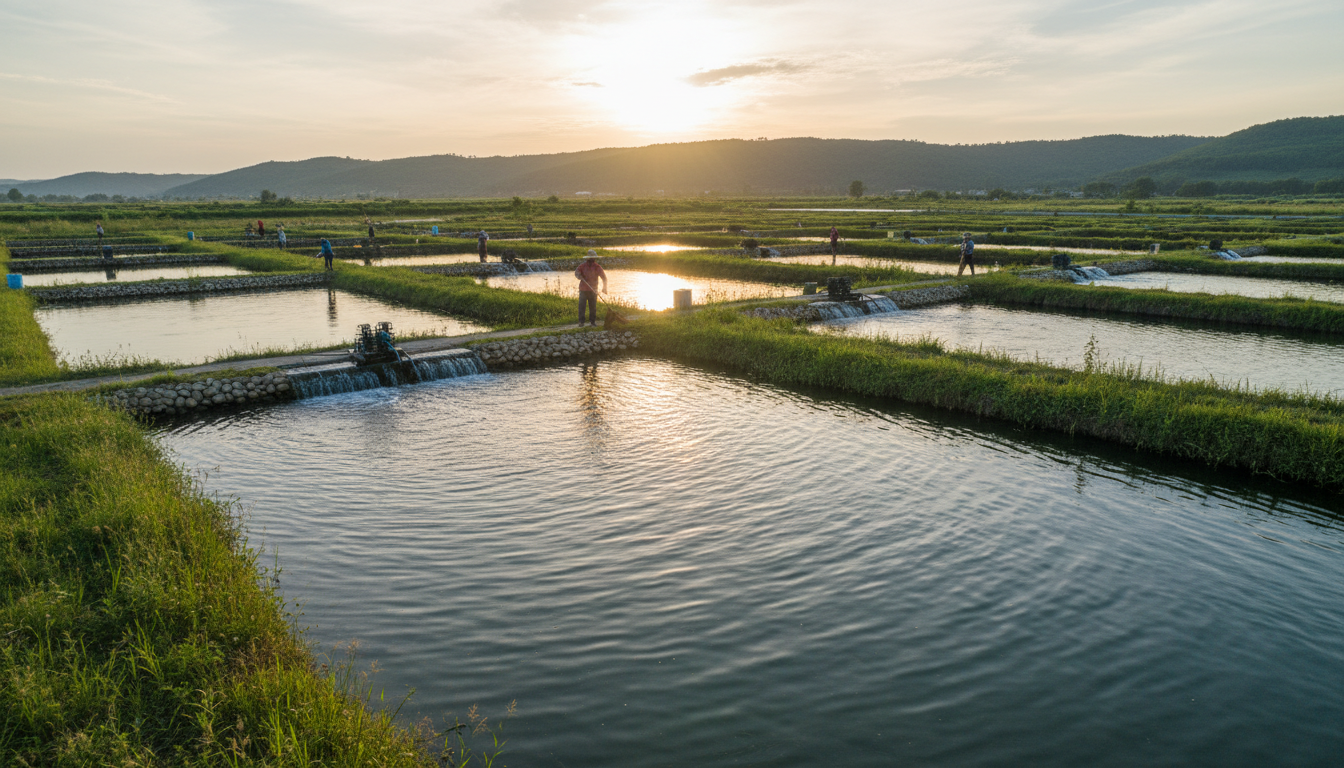
Economic Implications for Global Markets
The adoption of sustainable agriculture offers several economic benefits. Farmers can reduce costs by utilizing natural resources more efficiently, such as water and energy. Additionally, sustainable farming often results in higher quality produce, which can command premium prices in international markets.
Countries that invest in sustainable practices can also gain a competitive edge. By adhering to international sustainability standards, they can access new markets and strengthen trade relationships. This shift not only supports local economies but also contributes to more stable and resilient global markets.
Trade Policies and Regulations
Governments around the world are increasingly implementing policies that support sustainable agriculture. These regulations often include incentives for farmers to adopt eco-friendly practices and penalties for environmentally harmful methods. Such policies are crucial in shaping global trade, as they encourage countries to prioritize sustainability in their export strategies.

Environmental Benefits and Challenges
One of the primary advantages of sustainable agriculture is its positive impact on the environment. By reducing chemical usage and promoting biodiversity, sustainable practices help conserve ecosystems and combat climate change. This environmental stewardship is becoming a key consideration for international buyers seeking to minimize their carbon footprints.
However, transitioning to sustainable agriculture also presents challenges. Farmers may face initial financial burdens and require training to adopt new techniques. Despite these hurdles, the long-term benefits, such as improved soil health and increased resilience to climate fluctuations, make sustainable agriculture a worthwhile investment.

The Role of Technology in Sustainable Agriculture
Technological advancements are playing a crucial role in supporting sustainable agriculture. Innovations such as precision farming, drone technology, and data analytics enable farmers to optimize resource use and boost productivity. These technologies are integral in meeting the growing demand for sustainable products in international markets.
By integrating technology with traditional farming practices, countries can enhance their agricultural output while minimizing environmental impact. This integration is essential for maintaining competitiveness in the global trade arena.
Consumer Demand and Market Trends
Consumer preferences are increasingly leaning towards sustainability. As awareness of environmental issues grows, more people are willing to pay a premium for products that align with their values. This shift in consumer behavior is driving changes in global trade, with countries that offer sustainably produced goods gaining a competitive advantage.
Market trends indicate a rising demand for transparency and traceability in the supply chain. Companies that can demonstrate sustainable practices from farm to table are more likely to capture the loyalty of conscious consumers.

Conclusion
Sustainable agriculture is not just a trend; it is a critical component of a more equitable and environmentally friendly global trade system. By embracing sustainable practices, countries can improve their economic prospects, protect the environment, and meet the demands of an increasingly conscious consumer base.
As the world continues to navigate the complexities of climate change and resource scarcity, sustainable agriculture offers a promising path forward for both farmers and traders. It is a pivotal moment for global trade, with sustainability at its core.