
The Journey of Coffee: From Ugandan Farms to Your Cup

The Origins of Ugandan Coffee
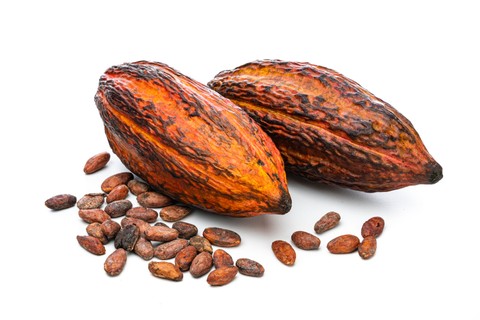
Uganda, often referred to as the "Pearl of Africa," is renowned for its fertile soil and ideal climate, making it a prime location for coffee cultivation. The country's coffee production is primarily centered around two types: Robusta and Arabica. While Robusta is native to Uganda, Arabica is grown in the highlands, offering a distinct flavor profile.
Ugandan farmers, many of whom work on small family-owned farms, are the backbone of this thriving industry. These farmers employ traditional methods to cultivate and harvest coffee cherries, ensuring that each bean is nurtured to perfection. The dedication and expertise of these farmers are crucial in producing high-quality coffee.
The Harvesting Process
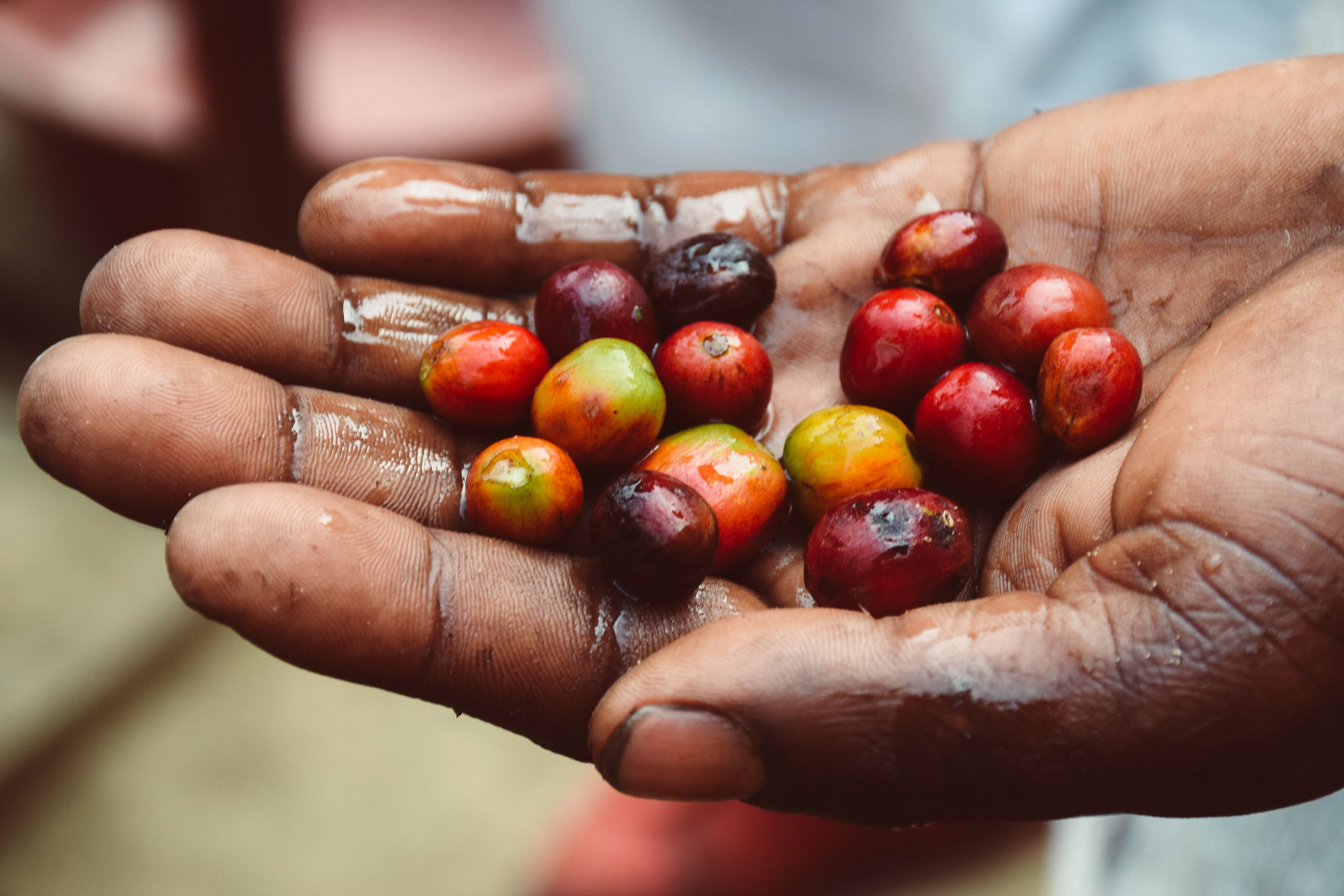
The journey of coffee from Ugandan farms to your cup begins with the meticulous harvesting process. This typically occurs twice a year, coinciding with the rainy seasons. Farmers carefully handpick ripe cherries, ensuring only the best are selected. This labor-intensive process is vital in maintaining the quality and consistency of the coffee beans.
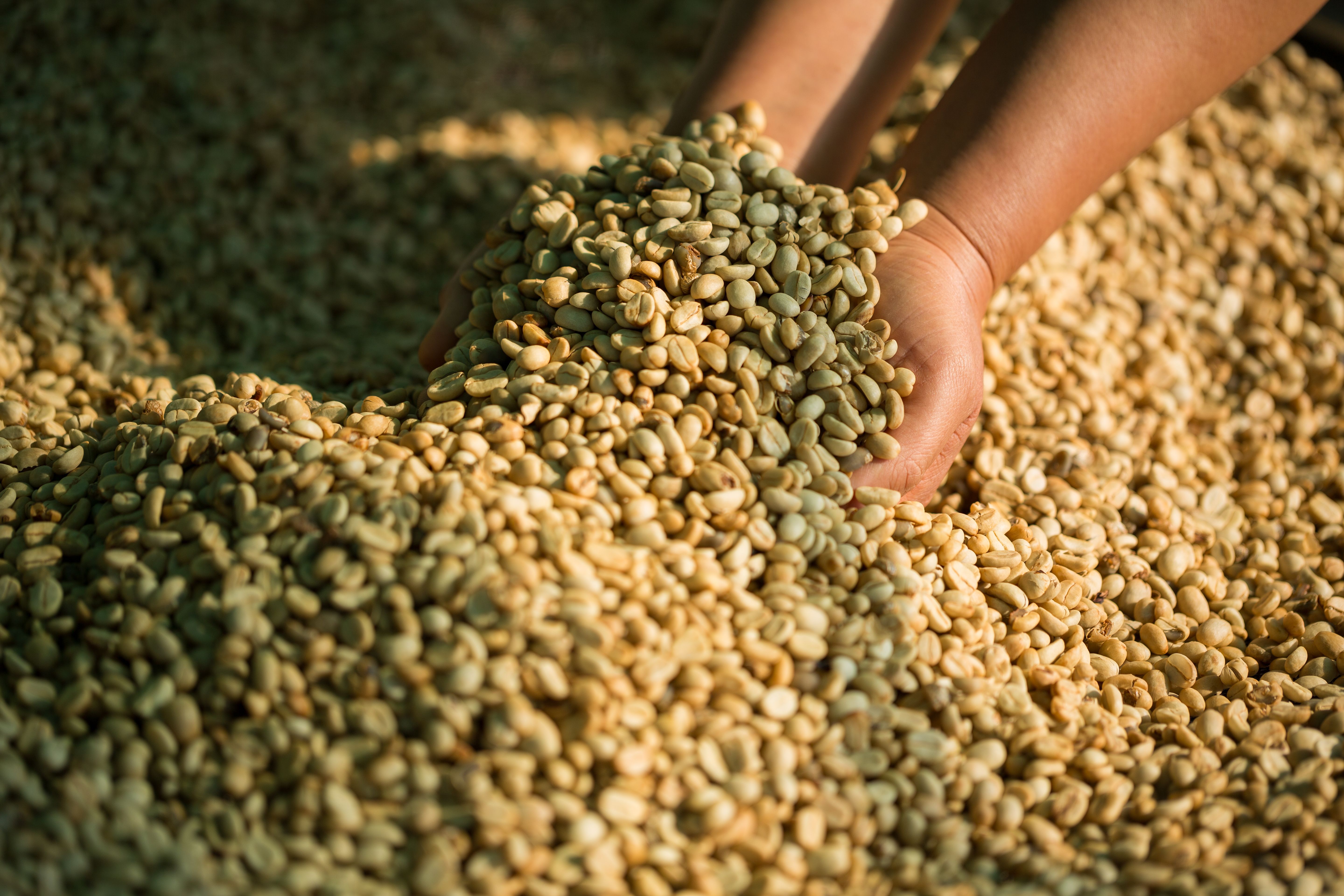
After harvesting, the cherries undergo processing, which can be done using either the dry or wet method. The choice of method depends on various factors, including climate and resources. Both methods aim to remove the outer layers of the cherry, revealing the precious coffee bean inside.
Processing and Exportation
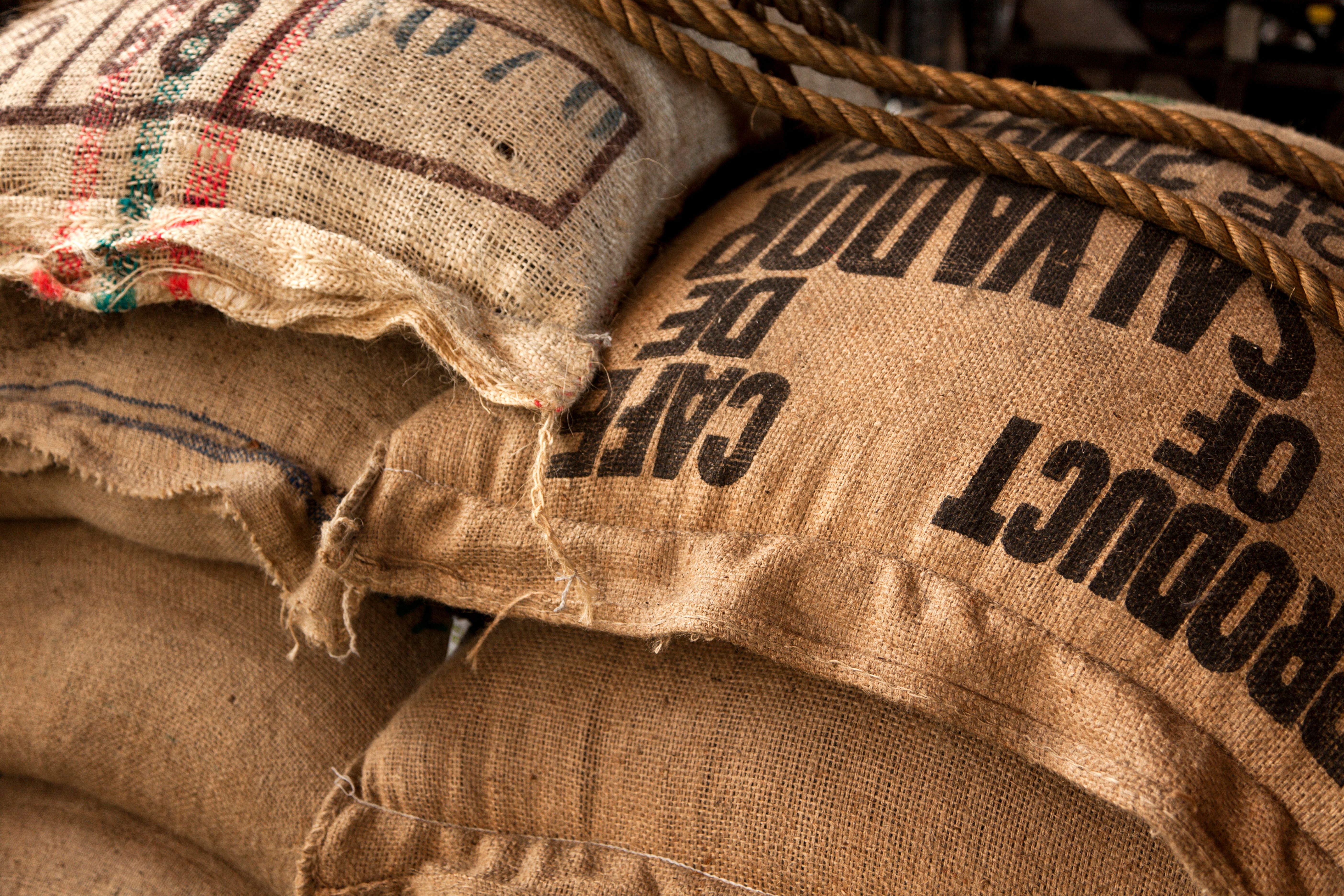
Once processed, the beans are sorted and graded based on size and quality. This step is essential for ensuring that only the finest beans are exported. Ugandan coffee is known for its unique flavor profiles, often characterized by hints of chocolate, fruits, and floral notes. The beans are then packed and prepared for export to various global markets.
Exportation is a critical phase in the coffee journey. Uganda's strategic location in East Africa facilitates efficient transportation, allowing coffee to reach international destinations swiftly. This ensures that the beans retain their freshness and flavor, ultimately enhancing the consumer's experience.
The Art of Roasting
Upon arrival at their destination, the coffee beans undergo roasting, a transformative process that brings out their full flavor potential. Roasting requires precision and skill, as it involves heating the beans to specific temperatures to achieve the desired roast level, whether light, medium, or dark.
Roasters often experiment with different techniques to create distinct flavor profiles, catering to diverse consumer preferences. This stage is where the magic happens, as the aromas and flavors we associate with coffee begin to develop.
Brewing the Perfect Cup
The final step in the coffee journey is brewing, where the beans are ground and prepared for consumption. There are numerous brewing methods available, each offering a unique experience. From espresso machines to French presses, the choice of method can significantly impact the taste and aroma of the coffee.
For many, brewing coffee is more than just a routine; it's a ritual that enhances the appreciation of the beverage. Understanding the origins of the coffee, from Ugandan farms to the cup, adds a layer of connection and appreciation for the efforts of the farmers and artisans involved in its journey.