
The Role of Fair Pricing in Transforming Global Agriculture


The Importance of Fair Pricing in Agriculture
In the global agricultural landscape, pricing plays a pivotal role in shaping the lives of farmers, influencing consumer behavior, and determining the sustainability of ecosystems. Fair pricing is a crucial element that ensures equitable distribution of resources and benefits across all stakeholders. It not only supports the livelihoods of farmers but also contributes to the development of local and global economies.
Fair pricing helps bridge the gap between producers and consumers, allowing farmers to receive a just compensation for their labor and products. This balance is essential for maintaining motivation and investment in agricultural practices, ultimately leading to increased productivity and innovation.
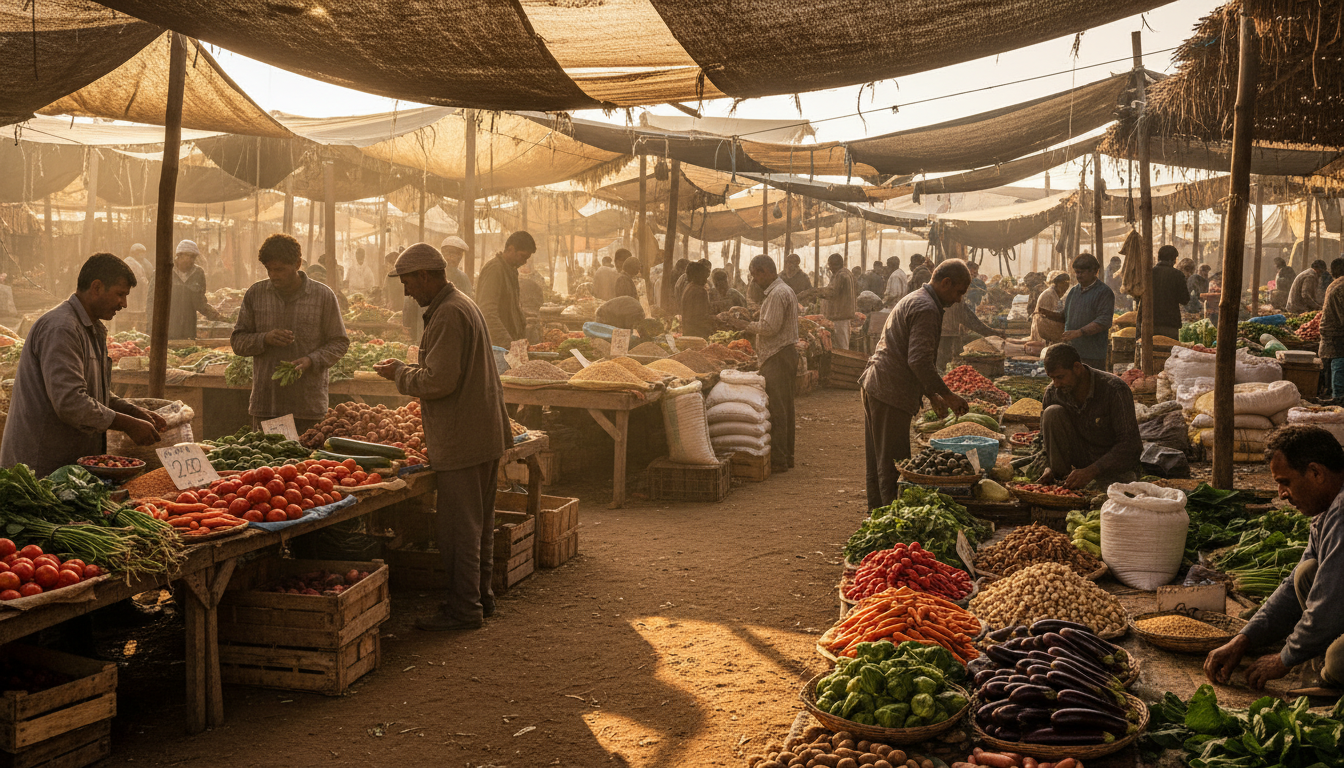
Challenges in Implementing Fair Pricing
Despite its significance, implementing fair pricing in agriculture faces several challenges. The complexity of global supply chains, fluctuating market demands, and varying production costs are just a few factors that complicate the establishment of a standardized pricing model. Additionally, small-scale farmers often lack the bargaining power needed to negotiate better prices for their produce.
Moreover, intermediaries and large corporations sometimes exploit farmers, leading to inequitable profit distribution. Addressing these challenges requires concerted efforts from governments, private sectors, and international organizations to create and enforce fair trade policies.

Solutions for Achieving Fair Pricing
Several approaches can facilitate the achievement of fair pricing in agriculture:
- Fair Trade Certification: Encouraging farmers to join fair trade organizations can help them access international markets and secure better prices for their products.
- Government Support: Policies that support subsidies, access to credit, and infrastructure development can enhance farmers' ability to negotiate fair prices.
- Cooperative Models: Farmers can form cooperatives to increase their bargaining power and share resources efficiently.
The Impact on Sustainable Agriculture
Fair pricing is integral to promoting sustainable agricultural practices. When farmers receive adequate compensation, they are more likely to invest in environmentally friendly methods that preserve soil health, reduce chemical use, and enhance biodiversity. This shift towards sustainability benefits not only the environment but also the communities that depend on agriculture for their livelihood.

Moreover, fair pricing supports food security by ensuring a stable supply of agricultural products. It empowers farmers to continue producing high-quality food, thereby reducing the risk of shortages and price hikes that can affect consumers worldwide.
Consumer Awareness and Responsibility
Consumers play a vital role in the fair pricing ecosystem. By choosing products that are certified fair trade or come from sources that adhere to ethical practices, consumers can drive demand for fairly priced goods. This consumer awareness and responsibility can lead to positive changes in the market, encouraging more producers and companies to adopt fair pricing strategies.

Ultimately, fair pricing in agriculture is not just a policy or a market strategy; it is a commitment to creating a more equitable, sustainable, and viable global food system. By understanding its role and actively participating in its implementation, we can transform the agricultural sector for the better, ensuring prosperity for farmers and healthy, sustainable options for consumers.