
Top Strategies for Business Consultancy and Transformation in Agro-Trade


Understanding the Landscape of Agro-Trade
In the ever-evolving world of agro-trade, businesses are continuously seeking ways to improve efficiency and profitability. The industry is characterized by its complexity, involving the exchange of agricultural products and services across borders. Effective business consultancy and transformation strategies are essential to navigate this intricate landscape.

Leveraging Technology for Transformation
One of the most significant strategies in agro-trade consultancy is the integration of technology. With advancements in digital tools, businesses can streamline operations, enhance supply chain management, and improve data accuracy. Implementing technologies such as blockchain can provide transparency and traceability, which are crucial for building trust with consumers.
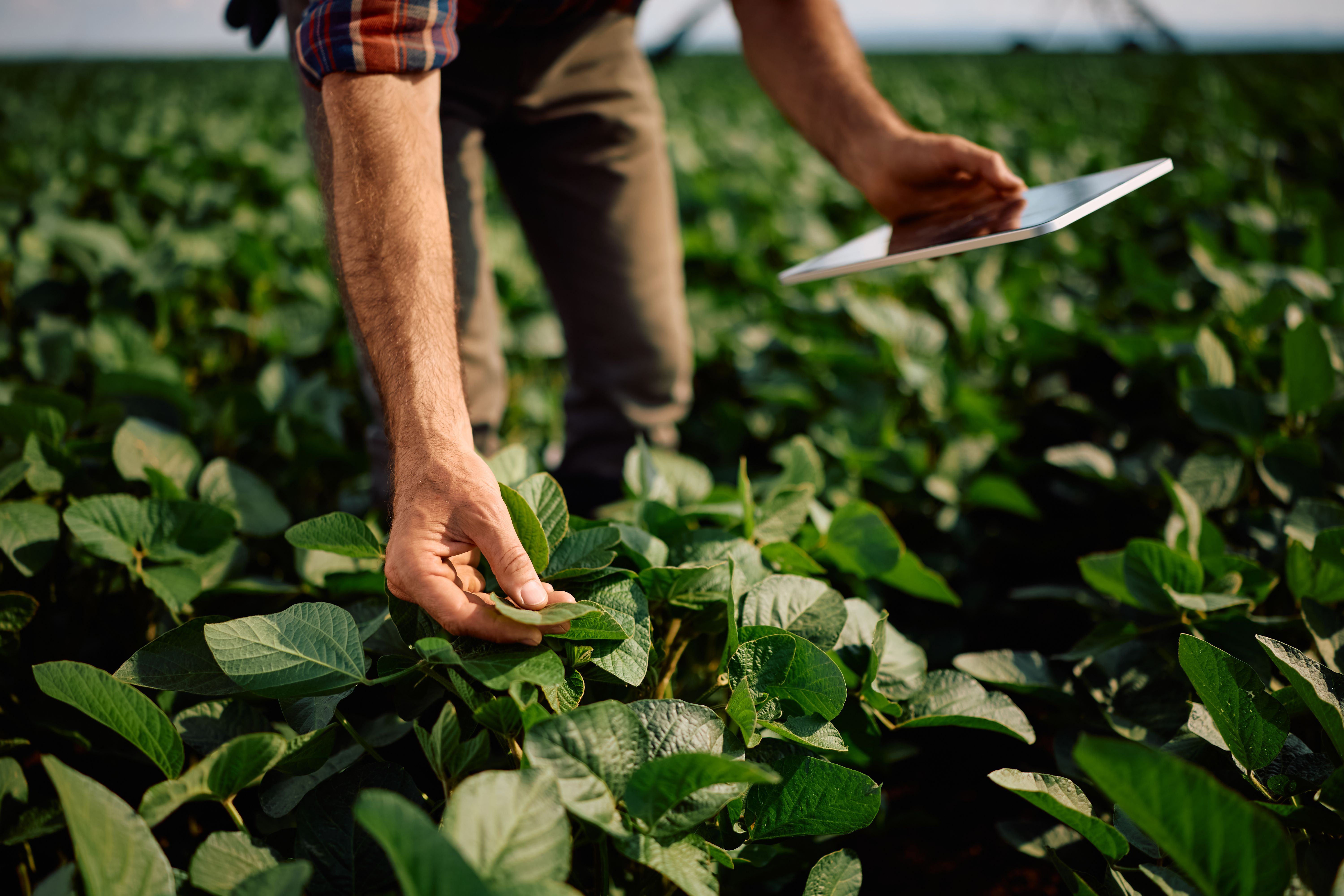
Moreover, precision agriculture technologies, including drones and IoT devices, enable farmers to optimize crop production and resource management. By leveraging these tools, agro-trade businesses can significantly boost productivity and sustainability.
Building Strategic Partnerships
Strategic partnerships play a vital role in the transformation of agro-trade businesses. Collaborating with industry experts, research institutions, and technology providers can offer access to new markets and innovative solutions. These partnerships can foster knowledge exchange and drive joint initiatives that address common challenges in the sector.
Furthermore, partnerships with governmental and non-governmental organizations can provide valuable support in navigating regulatory landscapes and securing funding for development projects.

Sustainability as a Core Strategy
The growing emphasis on sustainability cannot be overlooked. Agro-trade businesses are increasingly adopting sustainable practices to meet consumer demands and comply with regulatory requirements. This involves minimizing environmental impact, enhancing biodiversity, and promoting fair trade practices.
Sustainable business models not only contribute to environmental conservation but also improve brand reputation and consumer loyalty. Companies that prioritize sustainability are better positioned to withstand market fluctuations and regulatory changes.
Enhancing Supply Chain Resilience
Developing a resilient supply chain is essential for agro-trade businesses to thrive amidst global challenges. This involves diversifying supply sources, investing in logistics infrastructure, and implementing risk management strategies. By enhancing supply chain resilience, companies can better cope with disruptions caused by climate change, geopolitical tensions, and pandemics.

Embracing Data-Driven Decision Making
Data-driven decision making is a powerful strategy for business transformation in agro-trade. By harnessing big data analytics, companies can gain insights into market trends, consumer behavior, and operational efficiency. This enables informed decision-making and the ability to anticipate and respond to market demands effectively.
Investing in data analytics capabilities allows businesses to optimize pricing strategies, enhance customer experiences, and drive innovation in product offerings.
Conclusion
In conclusion, the transformation of agro-trade businesses requires a multifaceted approach. By leveraging technology, building strategic partnerships, prioritizing sustainability, enhancing supply chain resilience, and embracing data-driven decision-making, businesses can position themselves for long-term success. These strategies not only address current challenges but also pave the way for future growth and innovation in the agro-trade industry.