
Top Trends in Global Agro-Produce: What’s Next for Innovations


Introduction to Global Agro-Produce Trends
The agriculture industry is undergoing a significant transformation, driven by technological advancements and changing consumer demands. As we look to the future, several trends are shaping the global agro-produce landscape. These innovations are not only enhancing productivity but also promoting sustainability.

Precision Agriculture: The Rise of Smart Farming
Precision agriculture is at the forefront of this transformation, leveraging data and technology to optimize farming practices. By using sensors, GPS, and IoT devices, farmers can monitor crop health, soil conditions, and weather patterns in real-time. This approach allows for more efficient use of resources, reducing waste and increasing yields.
Additionally, drones and satellite imagery are providing valuable insights into large-scale farming operations. These technologies enable farmers to identify issues early and apply targeted interventions, minimizing environmental impact.
Sustainable Practices and Organic Farming
As awareness of environmental issues grows, there is a strong push towards sustainable farming practices. Organic farming, which avoids synthetic fertilizers and pesticides, is gaining popularity among consumers seeking healthier and eco-friendly options.
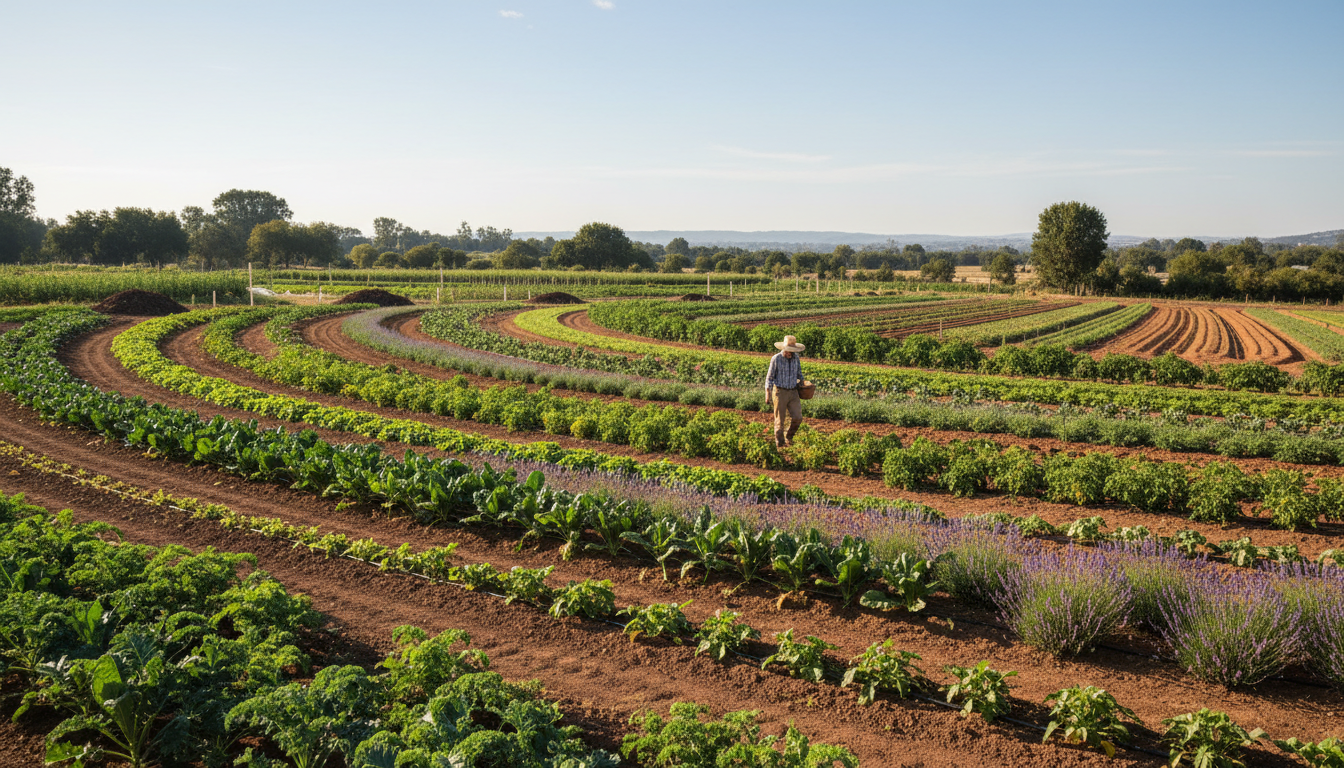
Farmers are adopting crop rotation, composting, and integrated pest management to maintain soil health and biodiversity. These practices not only enhance the quality of produce but also contribute to long-term environmental sustainability.
Vertical Farming: A Space-Saving Solution
Vertical farming is an innovative solution addressing the challenges of limited arable land and urbanization. By growing crops in stacked layers within controlled environments, vertical farms maximize space and resource efficiency.
This method is particularly beneficial in urban areas where land is scarce. It allows for year-round production, reducing the dependency on seasonal changes and long supply chains, ultimately providing fresh produce closer to city centers.
Alternative Proteins and Plant-Based Diets
The demand for alternative proteins is on the rise, as consumers become more health-conscious and environmentally aware. Plant-based diets are gaining traction, leading to increased production of legumes, nuts, and grains.
Innovations in food technology are also driving the development of lab-grown meats, offering sustainable alternatives to traditional animal farming. This shift not only caters to a growing market but also reduces the carbon footprint associated with livestock production.

Blockchain and Supply Chain Transparency
Blockchain technology is revolutionizing supply chain management in the agro-produce industry. By providing a transparent and tamper-proof record of transactions, blockchain ensures traceability from farm to table.
This transparency builds consumer trust and enables producers to verify the authenticity of organic and fair-trade products. It also helps in minimizing food fraud and improving overall supply chain efficiency.
Conclusion: Embracing the Future of Agriculture
The future of global agro-produce is bright, driven by innovative technologies and sustainable practices. As these trends continue to evolve, they promise to enhance food security, reduce environmental impact, and meet the growing demands of a changing world.
Embracing these innovations will be crucial for stakeholders across the agricultural sector, from farmers to consumers, as they navigate the challenges and opportunities of the future.