
Understanding the Global Demand for African Cocoa

The Rise of African Cocoa in the Global Market
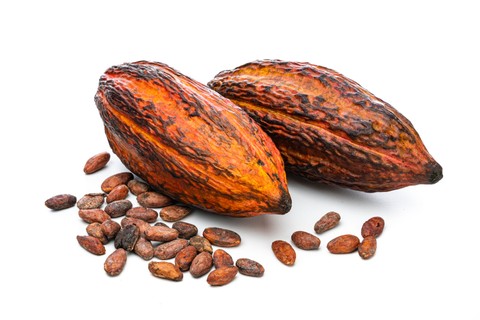
African cocoa has become a key player in the global market, with the continent producing over 70% of the world’s cocoa. This surge is driven by growing demand for chocolate and cocoa-based products worldwide. The unique climatic conditions in Africa make it an ideal place for cocoa cultivation, providing a significant economic boost to numerous African countries.
The Importance of Cocoa to African Economies
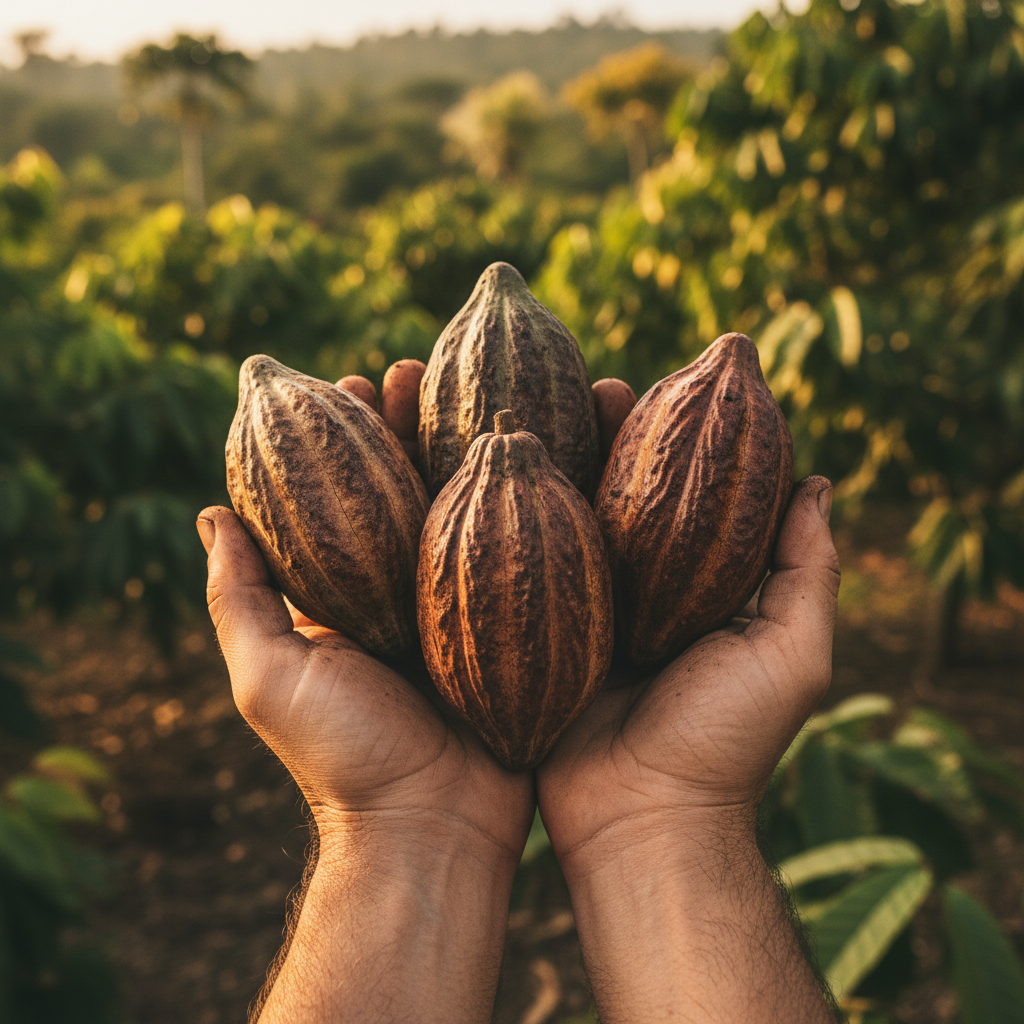
Cocoa is more than just a crop in Africa; it's a vital part of the economy for many countries. Nations like Côte d'Ivoire and Ghana rely heavily on cocoa exports, which account for a substantial portion of their GDP. The industry provides employment to millions of farmers and workers, contributing to rural development and poverty alleviation.
Despite its significance, the cocoa sector faces challenges such as fluctuating prices, climate change, and labor issues. Addressing these challenges is crucial for sustaining its growth and ensuring fair compensation for farmers.
Global Demand Drivers
The global appetite for cocoa is largely driven by the increasing consumption of chocolate, particularly in emerging markets like Asia and Latin America. As disposable incomes rise, more consumers are indulging in chocolate, contributing to a steady increase in demand for African cocoa.
Moreover, there is a growing trend towards premium and organic chocolate in developed markets, which often sources high-quality cocoa from African producers. This shift presents opportunities for African farmers to tap into niche markets.

Sustainability and Ethical Considerations
As the demand for cocoa grows, sustainability and ethical sourcing have become important considerations for consumers and companies alike. Initiatives aimed at improving traceability and ensuring fair trade practices are gaining traction, aiming to provide better livelihoods for farmers and reduce environmental impact.
Certifications like Fair Trade and Rainforest Alliance are becoming more prevalent, helping to assure consumers that their chocolate is produced responsibly. These certifications also encourage sustainable farming practices that protect biodiversity.
Future Prospects for African Cocoa
The future of African cocoa looks promising, with ongoing investments in technology and infrastructure aimed at boosting productivity and quality. Governments and NGOs are working collaboratively to provide training and resources to farmers, helping them adapt to changing climates and market demands.
Innovations in farming techniques and a focus on sustainability will likely play a significant role in maintaining Africa's leading position in the global cocoa market. As these efforts continue, African cocoa is poised to meet growing global demand while fostering economic resilience.