
Understanding the Unique Qualities of African Cocoa and Coffee

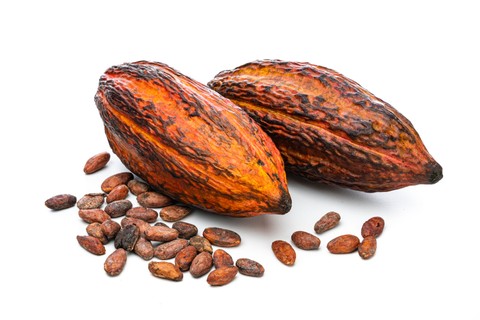
When it comes to the world of cocoa and coffee, Africa stands out as a region brimming with unique qualities and flavors. The continent's diverse climates and rich soils contribute to producing some of the most sought-after beans globally. Understanding these distinctive characteristics can deepen appreciation for African cocoa and coffee, making every sip and bite a journey through a tapestry of cultures and environments.
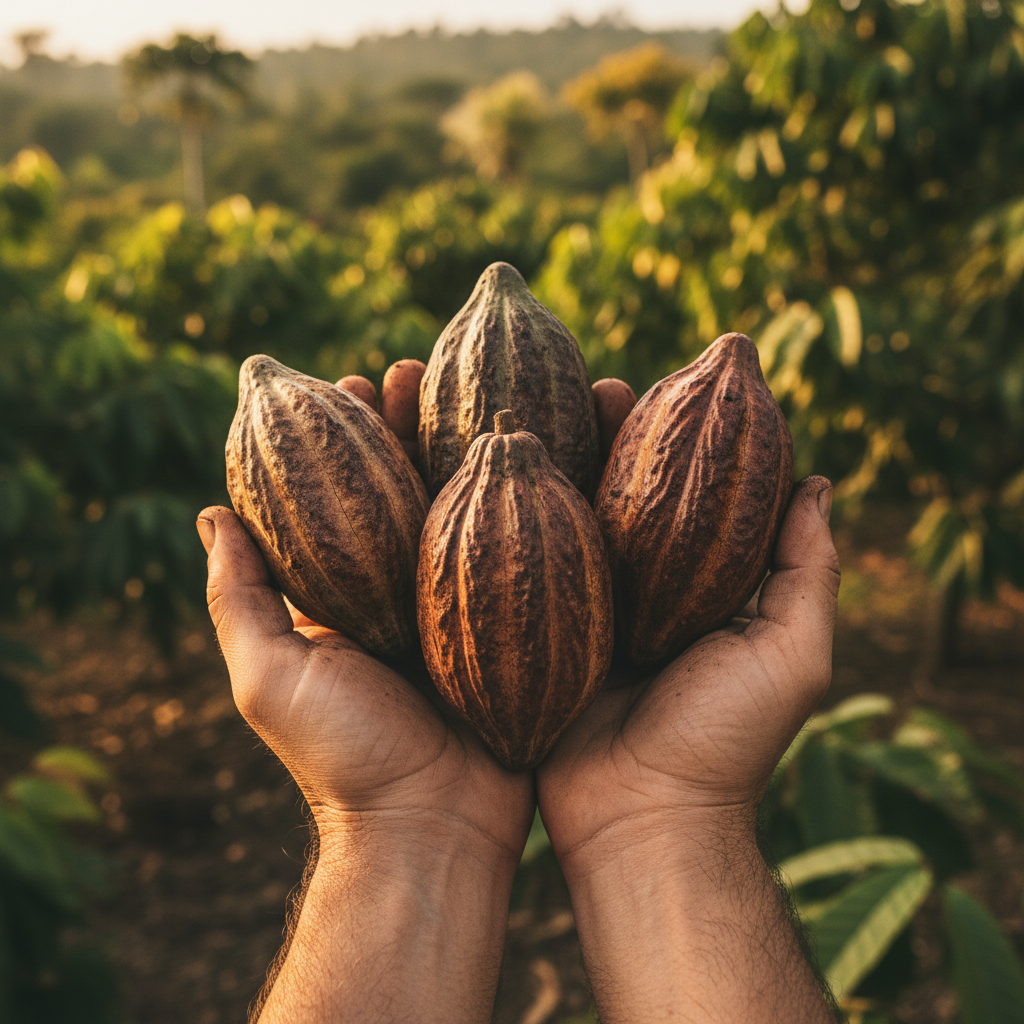
The Origins of African Cocoa
African cocoa primarily comes from West African countries like Ivory Coast, Ghana, and Nigeria. These regions are known for producing a significant portion of the world's cocoa. The rich volcanic soil and tropical climate provide ideal conditions for cocoa trees to thrive, resulting in beans with complex and robust flavors.
In addition to the optimal growing conditions, the traditional farming methods used by many African farmers contribute to the beans' unique qualities. These time-honored techniques, often passed down through generations, involve careful fermentation and drying processes that enhance the flavors and aromas of the cocoa.
Flavor Profiles of African Cocoa
The flavor profiles of African cocoa beans can vary significantly depending on the region and specific farming practices. Generally, they are known for their bold, earthy notes, often with hints of dark fruit and spice. These rich, intense flavors make African cocoa a favorite among chocolatiers and confectioners seeking to create premium products.

The Unique Appeal of African Coffee
Like its cocoa counterpart, African coffee is celebrated for its distinctive qualities. Countries such as Ethiopia, Kenya, and Rwanda are renowned for producing exceptional coffee beans. The high altitudes and fertile soils of these regions provide perfect conditions for coffee cultivation, resulting in beans with remarkable flavors.
Ethiopia, often considered the birthplace of coffee, offers beans with a wide range of flavors, from floral and fruity to wine-like profiles. Kenyan coffee is prized for its bright acidity and berry-like flavors, while Rwandan coffee is known for its rich body and citrus notes.
Coffee Cultivation and Processing
The cultivation and processing methods used in Africa play a crucial role in developing the unique flavors of its coffee. Many African farmers practice organic farming, and the careful hand-picking of coffee cherries ensures that only the ripest are selected. The traditional wet processing method, which involves washing the beans to remove the fruit, helps to highlight the vibrant and complex flavors.

The Impact of African Cocoa and Coffee on Global Markets
African cocoa and coffee have a significant impact on global markets, not only due to their unique qualities but also because of the sheer volume produced. The continent's contributions are vital to meeting the world's growing demand for these beloved commodities.
Furthermore, there is a growing movement toward supporting sustainable and fair trade practices in African cocoa and coffee production. By choosing products that adhere to these principles, consumers can enjoy high-quality beans while supporting the livelihoods of African farmers and their communities.
Conclusion
Understanding the unique qualities of African cocoa and coffee allows for a deeper appreciation of these remarkable products. From the rich and complex flavors of African cocoa to the bright and vibrant notes of African coffee, each bean tells a story of its origin. By exploring these diverse offerings, consumers can embark on a flavorful journey that celebrates the rich heritage and contributions of African farmers.