
Why Sustainable Practices Are Key to Africa's Agricultural Future


Introduction to Sustainable Practices in Agriculture
As Africa continues to grow and develop, the importance of sustainable agricultural practices becomes increasingly evident. With a rapidly expanding population and the pressing challenges of climate change, adopting sustainable methods is not just beneficial but essential for the continent's future.
Sustainable agriculture focuses on meeting the needs of the present without compromising the ability of future generations to meet their own needs. It encompasses a range of practices that aim to protect the environment, enhance soil fertility, and improve the livelihoods of farmers.
The Importance of Soil Health
Soil health is the foundation of sustainable agriculture. Healthy soil not only increases crop yields but also enhances resilience to climate change. Traditional farming methods often degrade soil quality over time, leading to diminished productivity.
Practices such as crop rotation, cover cropping, and the use of organic fertilizers can significantly improve soil health. These methods help maintain a balanced ecosystem, ensuring that essential nutrients are retained in the soil.
The Role of Organic Fertilizers
Organic fertilizers are crucial in sustainable farming. Unlike chemical fertilizers, they improve soil structure and increase its ability to hold water and nutrients. This leads to healthier plants and reduces the need for additional inputs, lowering costs for farmers.

Water Management Strategies
Water scarcity is a critical issue in many parts of Africa. Efficient water management is vital for sustainable agriculture. Techniques such as drip irrigation and rainwater harvesting help conserve water and ensure that crops receive the necessary hydration without waste.
These methods not only save water but also improve crop yields, providing a reliable source of food and income for farmers. Additionally, they help mitigate the impacts of droughts, which are becoming more frequent due to climate change.
Impact of Climate Change
Climate change poses a significant threat to agriculture in Africa. Rising temperatures and unpredictable weather patterns can lead to crop failures and food insecurity. By adopting sustainable practices, farmers can increase their resilience to these changes.

Promoting Biodiversity
Biodiversity plays a critical role in sustainable agriculture. Diverse ecosystems are more resilient and can better withstand pests and diseases. Integrating a variety of crops and livestock into farming systems can enhance productivity and sustainability.
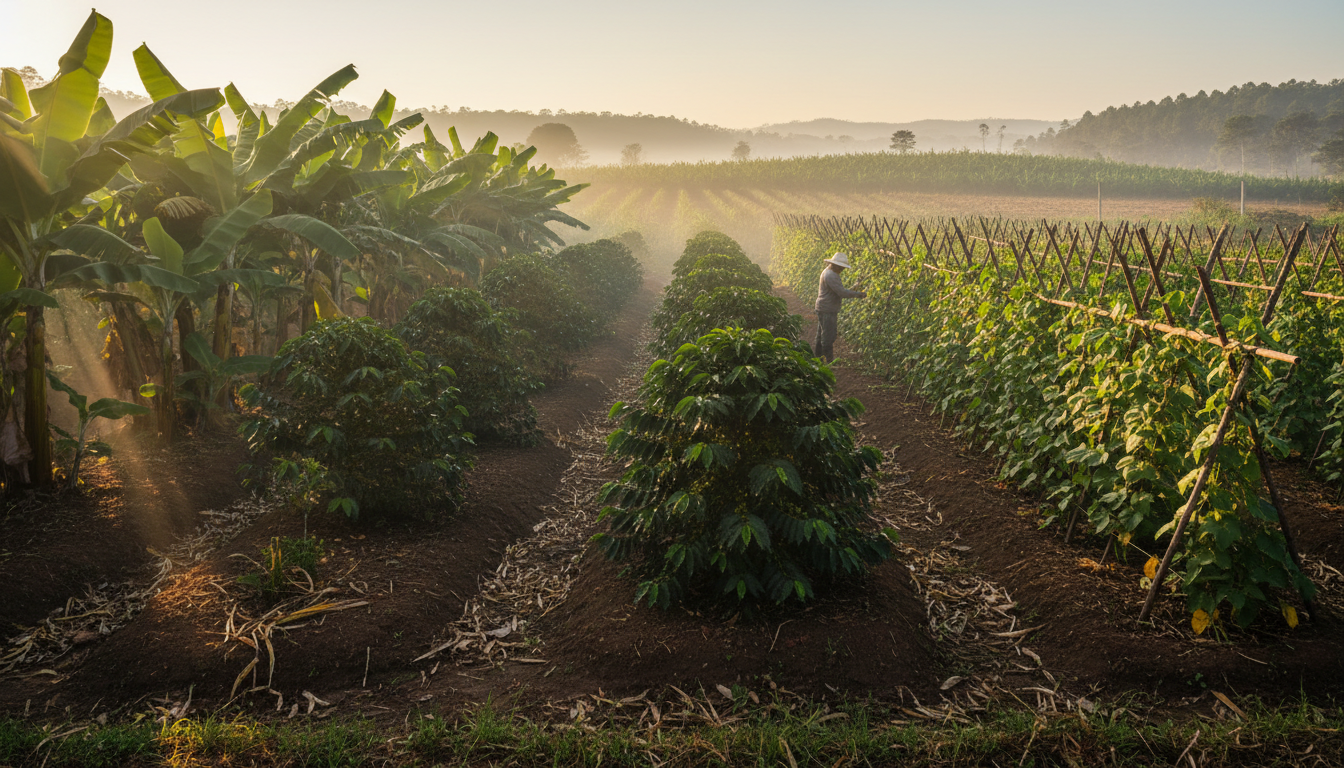
Practices such as agroforestry and intercropping support biodiversity by creating a balanced ecosystem that benefits both the environment and the farmer. These methods also provide additional sources of income, reducing reliance on a single crop.
Economic Benefits
Sustainable agriculture offers significant economic benefits. By reducing the reliance on chemical inputs and improving efficiency, farmers can lower their costs and increase their profits. Furthermore, sustainable practices often lead to higher-quality produce, which can command better prices in the market.
Investing in sustainable agriculture not only benefits individual farmers but also contributes to the overall economic growth of the region, creating jobs and supporting local communities.
Conclusion
As Africa looks to the future, sustainable agricultural practices will be key to ensuring food security, economic stability, and environmental health. By embracing these methods, the continent can build a resilient agricultural sector that meets the needs of its people while protecting its natural resources.
Encouraging the widespread adoption of sustainable practices will require collaboration between governments, NGOs, and the private sector, but the benefits are undeniable. Together, they can pave the way for a prosperous and sustainable agricultural future in Africa.